

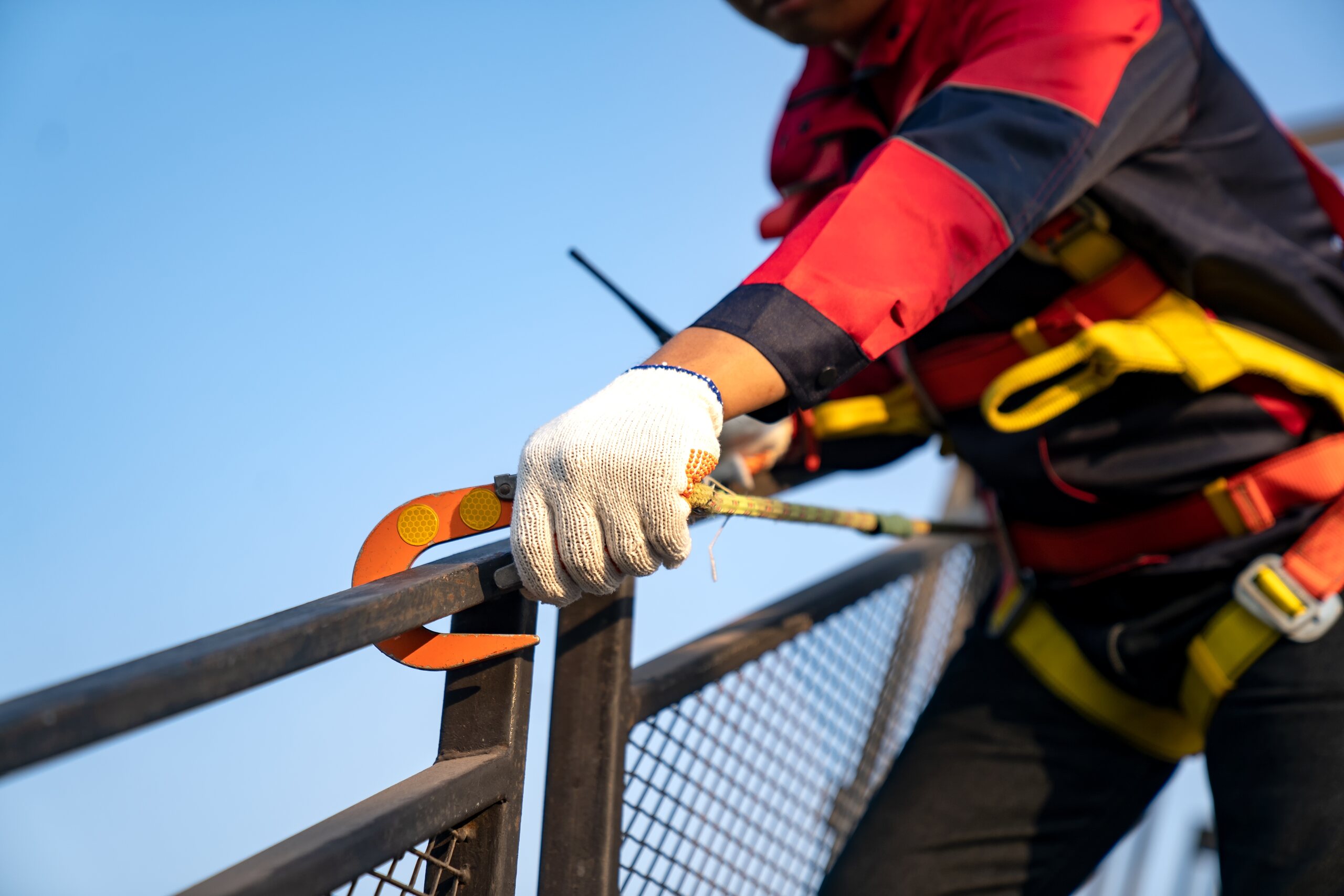
In Utah, a construction worker may be able to sue a general contractor, subcontractor, or another third party for an on-site injury… but only if negligence can be proven.
If you were hurt on a construction site, you may already be receiving workers’ compensation benefits. While those benefits can help cover initial medical care and a portion of lost wages, they often do not fully account for everything you have lost.
You may be dealing with serious injuries, time away from work, and uncertainty about your financial future. It is natural to wonder whether there are other options available, especially if someone else’s actions contributed to the accident.
Let’s break down how third-party claims work in Utah to help you determine whether you may be entitled to additional compensation beyond workers’ compensation benefits.
Key Takeaways for Injured Construction Workers in Utah
- Workers’ compensation insurance may not cover all of your losses
- You may have a separate claim against a general contractor or subcontractor
- Third-party claims require proof of negligence, unlike workers’ comp
- Additional compensation may include pain and suffering and full lost wages
- Identifying all responsible parties is a critical part of the process
How Workers’ Compensation Works—and Its Limits
Utah Workers’ Compensation is designed to provide benefits to employees who are injured on the job, regardless of who was at fault.
These benefits typically include medical treatment related to the injury and partial wage replacement while you are unable to work. The system is intended to provide support without requiring you to prove that someone else’s negligence caused your accident.
However, there are important limitations. Workers’ compensation generally does not cover:
- Pain and suffering
- The full amount of lost income
- Long-term financial impact beyond certain limits
This can leave a gap between what you receive and what you actually need to cover all of your losses.
When a Third-Party Claim May Be Possible
While you usually cannot sue your employer directly under workers’ compensation laws, you may be able to pursue a claim against someone else whose actions contributed to your injury.
Construction sites often involve multiple companies working together. This creates situations where responsibility may extend beyond your employer.
A third-party claim may be possible if:
- A general contractor failed to maintain a safe worksite
- A subcontractor created a hazardous condition
- Another company’s employee acted carelessly
- Equipment provided by a third party was unsafe or defective
These claims are separate from workers’ compensation and are based on the at-fault party’s negligence.
Common Scenarios Where These Claims Arise
Construction sites are complex environments, and injuries can occur in many ways. Some situations that may lead to a third-party claim include:
Unsafe Worksite Conditions
General contractors are often responsible for coordinating safety across the site. If hazards—such as unstable structures, exposed wiring, or unsafe walkways—are ignored or not properly addressed, they may contribute to an injury.
Actions of Other Contractors or Crews
You may be injured by someone who does not work for your employer. For example, another subcontractor’s employee may operate equipment unsafely or fail to follow proper procedures.
Equipment and Machinery Issues
Construction work relies heavily on equipment. If machinery is defective, poorly maintained, or improperly used, the company responsible for that equipment may be liable.
Falling Objects or Structural Failures
Injuries caused by falling tools, materials, or structural issues may involve responsibility beyond your employer, especially if another contractor was in control of the work area.
Each situation is different, but the key question is whether another party’s careless actions contributed to your accident.
The Key Difference: Workers’ Comp vs. Negligence Claims
One of the most important distinctions between workers’ compensation and third-party claims is how they are proven. Workers’ compensation does not require you to prove fault. If you were injured while performing your job, you are generally eligible for benefits.
A third-party claim, however, requires showing that another party was negligent. This means demonstrating that:
- The at-fault party had a responsibility to act safely
- They failed to meet that responsibility
- That failure contributed to your injury
Because of this requirement, these claims involve more investigation and documentation to establish fault.
What Additional Compensation May Be Available in a Third-Party Claim?
A third-party claim can open the door to compensation that goes beyond the limits of workers’ compensation. Through a civil claim, you may be able to recover the full amount of income you have lost—not just a percentage—as well as account for any changes to your ability to earn a living in the future.
This can be especially important if your injuries prevent you from returning to the same type of work or limit your hours, responsibilities, or physical capabilities.
On the personal side, your injuries can affect your daily routine, your independence, and your ability to participate in activities that were once part of your normal life. A third-party claim allows these broader impacts to be included, such as the physical pain and disruption you continue to deal with.
When combined with workers’ compensation benefits, this type of claim can help create a more complete financial recovery that reflects not only your immediate expenses but also the long-term effects of the injury on your life and your future.
How Liability Is Determined on a Construction Site
Determining responsibility on a construction site can be complex because multiple parties may be involved. Each contractor, subcontractor, or company may have different roles and responsibilities.
An experienced construction accident lawyer can explain who was responsible for safety in a particular area—or for a specific task—and how to prove liability. They may review:
- Contracts between companies
- Safety protocols and site policies
- Worksite conditions at the time of the accident
- Actions of individuals involved in the incident
Because these details can affect how liability is assigned, a thorough investigation is often necessary.
Challenges You May Face When Pursuing a Third-Party Claim
While a third-party claim can provide important financial support beyond workers’ compensation, the process is not always straightforward. These cases often involve multiple companies, overlapping responsibilities, and differing accounts of what actually happened on the job site.
You may find that there are disagreements about who was responsible for the conditions that led to your injury. One contractor may point the finger at another, while insurance companies analyze the situation closely to determine how much responsibility they can avoid. In some cases, there may be conflicting explanations of how the accident occurred, especially if several crews were working in the same area at the time.
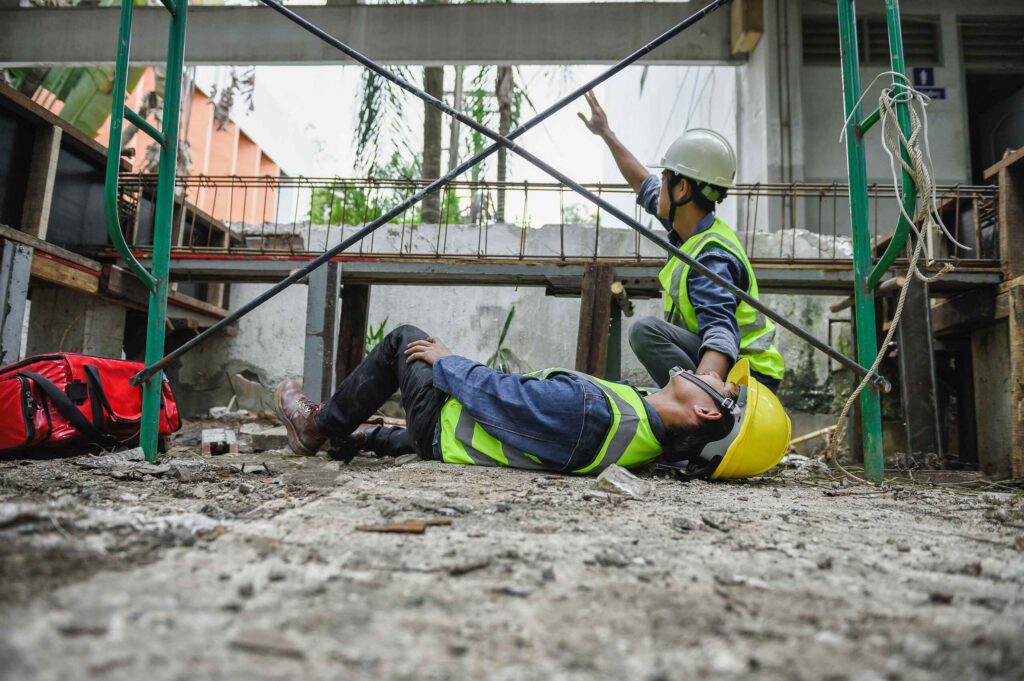
There may also be questions about the nature of your injury, such as how it happened, whether it could have been prevented, and how it should be valued. These issues can slow down the process and make it more difficult to get clear answers right away.
Even with these challenges, a claim can still move forward. The key is working with a dedicated legal team that takes a careful, well-documented approach, bringing clarity to what happened and ensuring that responsibility is evaluated fairly.
How a Personal Injury Lawyer Can Help
A personal injury lawyer can help by identifying all potentially responsible parties and determining whether a third-party claim is appropriate. This includes reviewing contracts, investigating the worksite, and gathering evidence about how the accident occurred.
They also handle communication with insurance companies, helping to ensure that your claim is not minimized or delayed. Importantly, they work to build a case that reflects the full impact of your injury—both financially and personally.
Whether through negotiation or litigation, their goal is to recover compensation that supports your recovery and your future.
What Happens If You Have Both a Workers’ Comp Claim and a Lawsuit?
It is possible to have both a workers’ compensation claim and a third-party lawsuit at the same time. These claims serve different purposes:
- Workers’ compensation provides immediate benefits without requiring proof of fault
- A third-party claim seeks additional compensation based on negligence
Your injury lawyer can explain how these claims interact and what to expect if you file a third-party case.
Frequently Asked Questions About Construction Injury Claims in Utah
Can I sue my employer for a construction injury?
In most cases, no. Utah’s workers’ compensation system provides benefits to injured employees without requiring them to prove fault, but in exchange, it generally prevents workers from suing their direct employer for workplace injuries.
What is a third-party construction accident claim?
A third-party claim is a personal injury lawsuit brought against someone whose negligence contributed to your injury, other than your employer. These claims are separate from workers’ compensation and require proof that the third party failed to act safely.
On a construction site, multiple companies are often working together. Another contractor, a different crew, or even an equipment manufacturer may be responsible for unsafe conditions that can lead to an accident. They may be named in a third-party complaint.
Do I have to choose between workers’ compensation and a civil lawsuit?
No, you do not typically have to choose one or the other. In many situations, you can pursue both at the same time.
Workers’ compensation provides immediate support without requiring proof of fault. A third-party claim, on the other hand, focuses on holding a negligent party accountable and recovering additional compensation for losses that workers’ compensation does not cover.
How do I know if someone else was responsible?
Determining responsibility on a construction site is not always straightforward. Multiple companies may be working in the same area, each with different roles and safety obligations.
You are not expected to know right away who was responsible. Identifying liability typically involves reviewing contracts, examining worksite conditions, and determining who controlled the area or activity that caused the injury.
Your legal team will perform an investigation that can help uncover whether another party’s actions—or failure to act—played a role in what happened.
What if I am not sure how the accident happened?
It is very common to have limited information after a serious injury, especially if the accident happened quickly or you were unable to observe everything around you.
You do not need to have a complete understanding of the situation before exploring your legal options. A thorough investigation can help reconstruct the events, gather witness statements, and review available evidence to better understand what occurred.
It’s important to seek legal guidance quickly so that key details can be preserved and evaluated.
How long do I have to file a claim?
Under Utah’s statute of limitations, you generally have four years from the date of the injury to file a personal injury lawsuit against a third party.
However, waiting too long can make the process more difficult. Evidence may be lost, conditions at the worksite may change, and it can become harder to identify witnesses or gather accurate information.
Starting earlier allows your lawyer to build your case while the details are still fresh and easier to document.
Will workers’ compensation affect my third-party claim?
Workers’ compensation and third-party claims are related, but they serve different purposes. If you receive compensation from a third-party claim, the workers’ compensation insurer may have a right to recover some of the benefits they already paid you. This process is known as subrogation.
While this can affect how funds are distributed, it does not prevent you from pursuing a third-party claim. In many cases, even after addressing these factors, the additional compensation can provide meaningful financial support beyond what workers’ compensation alone offers.
Talk to the Parker & McConkie Team About Your Utah Construction Injury Case
After a construction site injury, you may be focused on healing while also thinking about your financial future. Workers’ compensation may help, but it does not always cover everything you have lost.
At Parker & McConkie Injury Lawyers, we help injured workers across Utah understand their rights beyond workers’ compensation. Our team investigates what happened, identifies responsible parties, and builds strong third-party claims designed to recover the full compensation you deserve.
We handle the legal process so you can focus on your recovery and your family. Call 833-STANDUP for a free consultation. Let us help protect your rights and fight for your future.