
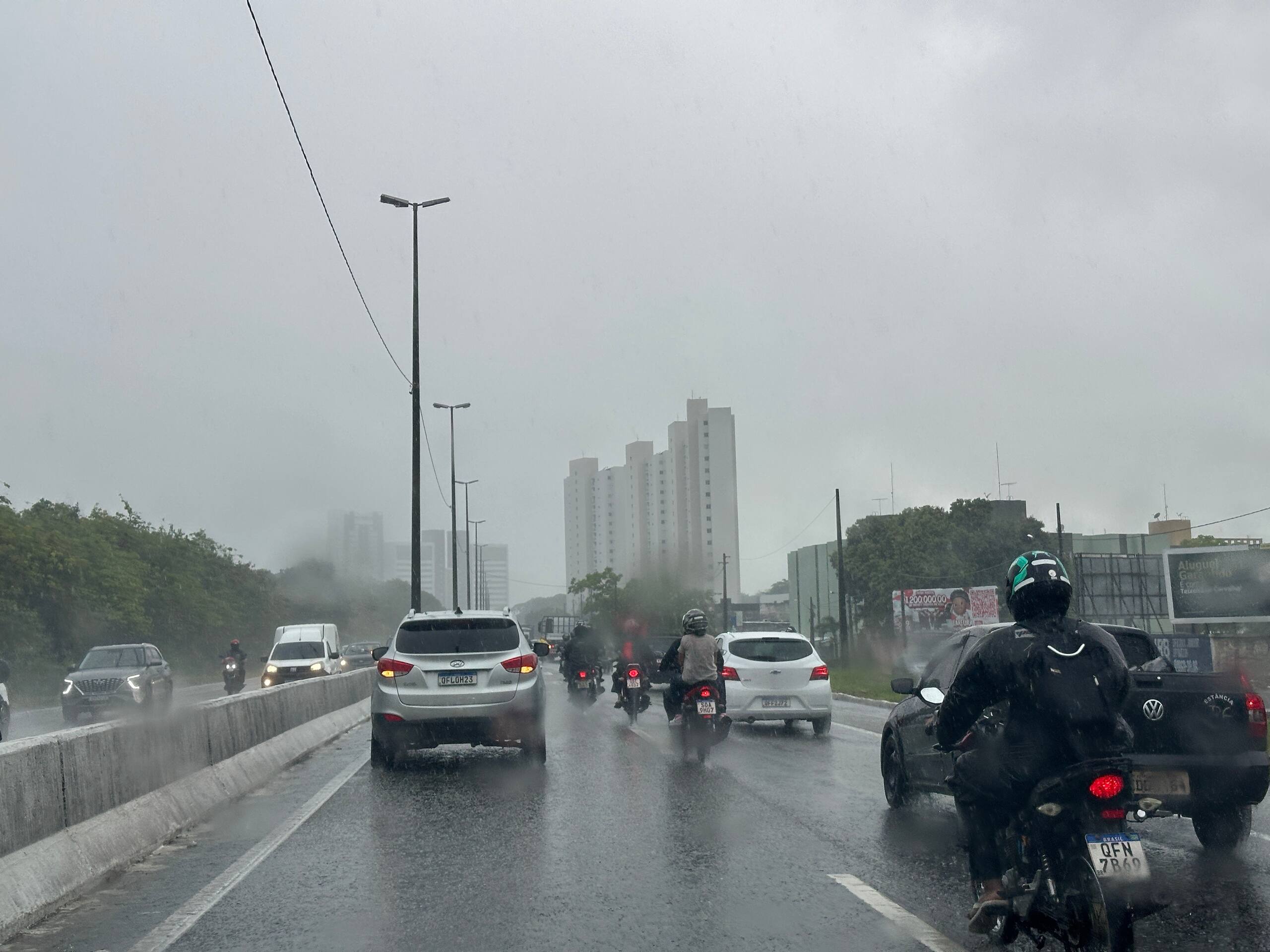
Riding a motorcycle in Provo often means sitting in gridlock on University Avenue or waiting through multiple light cycles near BYU. Utah law has recently changed to allow lane filtering, providing riders with a means to escape congestion and enhance their safety.
However, confusion persists among both drivers and riders about what is actually permitted. Is lane filtering legal in Provo? Yes, but only under very specific conditions. Misunderstanding these rules can lead to traffic citations and, worse, liability if an accident occurs.
You need to know the difference between legal filtering and illegal splitting to protect yourself on the road and in the courtroom. Insurance adjusters often try to blame motorcyclists for accidents by claiming they were filtering illegally. We reject these attempts to twist the law.
Parker & McConkie defends riders who follow the rules. We use evidence to prove that your filtering maneuver was legal and that the driver who hit you is the one at fault.
Key filtering concepts
- Stopped Traffic Only: Legal filtering in Utah can only happen when the surrounding vehicles are completely stopped.
- Speed Limits: You cannot filter on roads with a speed limit of 45 mph or higher, which excludes most highways.
- Safety First: The maneuver must be made safely; if you scrape a car or force a driver to evade you, you lose the legal protection.
What Is Lane Filtering in Utah?
Lane filtering is the act of a motorcyclist moving between two lanes of stopped traffic moving in the same direction. It is designed to allow riders to move to the front of the line at a red light to prevent rear-end collisions.
This practice is distinct from lane splitting, which involves riding between moving cars at high speeds. Utah legalized filtering to create a safety pocket for riders, protecting them from being crushed by distracted drivers approaching a stoplight from behind.
What Does Utah Code 41-6a-704 Say?
The legality of lane filtering is defined by Utah Code 41-6a-704. This statute outlines the specific criteria that must be met for the maneuver to be legal. If you violate any of these conditions, you are no longer protected by the law and could be found negligent in a crash.
We analyze your ride against these statutory requirements.
- Stopped Vehicles: The vehicles you are passing must be stopped.
- Speed Limit: The posted speed limit on the road must be 45 mph or less.
- Rider Speed: You cannot travel faster than 15 mph while filtering.
- Lanes: The road must have two or more lanes in the same direction.
- Safety: The movement must be made safely.
If you followed these rules, you had a legal right to be between the lanes. We use this statute to prove you were operating lawfully.
How Does Lane Filtering Differ from Lane Splitting?
Confusion between filtering and splitting causes many disputes. Lane splitting (riding between moving cars) remains illegal in Utah. Lane filtering (riding between stopped cars) is legal under specific conditions. Insurance adjusters often conflate the two to paint you as reckless.
We clarify the distinction to protect your claim.
- Traffic State: Filtering happens when cars are stopped; splitting happens when cars are moving.
- Speed: Filtering is a low-speed maneuver (under 15 mph); splitting often occurs at highway speeds.
- Intent: Filtering is a safety measure to avoid rear-end impacts; splitting is often used to bypass traffic flow.
We use witness testimony and dashcam footage to prove that traffic was stopped when you moved forward. We show that you were filtering legally, not splitting recklessly.
Where Is Filtering Legal in Provo?
Provo has a mix of roads where filtering is permitted and roads where it is forbidden. Knowing the difference is vital for avoiding tickets and liability.
We identify local hotspots to contextualize your case.
- Legal Zones: University Avenue near BYU, Center Street, and 900 East are typical multi-lane roads with speed limits under 45 mph where filtering is allowed at red lights.
- Illegal Zones: The on-ramps to I-15, the high-speed sections of University Parkway, and Provo Canyon (US-189) generally have speed limits over 45 mph, making filtering illegal.
- School Zones: While speeds are low, the chaotic nature of school zones often makes filtering unsafe, which could violate the safety requirement of the statute.
We analyze the specific location of your accident. We prove that the road characteristics permitted your maneuver.
What Is the Safety Pocket Defense?
The legislative intent behind lane filtering was to allow riders to find a safety pocket at the front of the line. This position protects you from rear-end collisions, which are a leading cause of motorcycle injuries.
We use this legislative intent as a defense strategy. We argue that your actions were a proactive safety measure.
- Avoiding the Crush Zone: By moving to the front, you removed yourself from the danger of a distracted driver slamming into the back of the queue.
- Visibility: Being at the front makes you more visible to cross-traffic and turning vehicles.
- Legal Purpose: We show the jury that you were using the law exactly as it was intended: to stay alive.
We frame your actions as responsible defensive riding. We refuse to let the defense characterize safety maneuvers as reckless behavior.

How Does Comparative Fault Affect Filtering Accidents?
If a driver opens a door or changes lanes into you while you are filtering, they will try to blame you. They will cite Utah Code 78B-5-818, the comparative negligence law. They will argue that filtering is inherently dangerous and that you assumed the risk. If they can convince a jury you were 50% at fault, you get nothing.
We fight to keep your liability at zero.
- Driver Duty: We argue that drivers have a duty to check their mirrors before opening doors or changing lanes, even when stopped.
- Legal Maneuver: We emphasize that because you were following the filtering statute, you had a legal right to be in that space.
- Proving Negligence: We show that the driver’s sudden movement was the unpredictable factor, not your steady filtering.
We ensure the blame falls on the driver who failed to look. We protect your right to compensation.
The Danger of Driver Rage
Unfortunately, not all drivers understand that lane filtering is legal. Some motorists view it as cutting the line and react with road rage. They might intentionally block your path, open a door, or swerve into you.
These intentional acts transform a negligence case into an intentional tort claim, which can open the door to punitive damages. We investigate the driver’s intent to maximize your recovery.
- Intentional Blocking: If a driver swerved to stop you, they committed an assault with their vehicle.
- Verbal Altercations: Witness reports of the driver yelling or honking before the impact suggest malice rather than simple carelessness.
- Aggressive Driving: We pull the driver’s history to see if they have a pattern of road rage behavior.
We hold angry drivers accountable. We prove that their decision to use their car as a weapon caused your injuries.
Common Filtering Accident Scenarios
Understanding how these crashes happen helps us reconstruct the event. Filtering accidents typically follow predictable patterns that point to driver inattention.
We analyze the specific dynamics of your crash.
- The Unexpected Lane Change: A stopped driver suddenly decides to change lanes without signaling or checking their blind spot, cutting off the filtering rider.
- The Passenger Door: A passenger in a stopped car opens their door to get out, not expecting a motorcycle to be passing on the right or left.
- The Startle Response: A driver is startled by the motorcycle passing and jerks the wheel, causing a collision.
We use these patterns to show that the driver’s failure to check their surroundings was the proximate cause of the accident.
What Evidence Do You Need to Prove Legal Filtering?
In a he-said, she-said dispute about filtering, objective evidence is king. You need to prove traffic was stopped and you were moving slowly. We gather specific evidence to validate your ride.
- Video Footage: GoPro or dashcam video is the best proof of speed and traffic conditions.
- Witness Statements: Other drivers can confirm that traffic was stopped at the light when the accident happened.
- EDR Data: If available, data from the motorcycle or the car can prove speeds at impact.
- Police Reports: We ensure the officer accurately records the road conditions and speed limits in the report.
We build a fact-based case. We use the evidence to silence the insurance adjuster’s speculation.
Why You Need a Motorcycle Accident Attorney
Motorcycle laws are evolving, and many drivers (and even police officers) do not fully understand the new filtering rules. You need an motorcycle accident attorney in Provo who knows the specific statutes and can educate the insurance company and the jury.
We provide the legal skills you need.
- Statutory Command: We cite the specific code sections to prove your actions were legal.
- Bias Fighting: We counter the bias that assumes all motorcyclists are rule-breakers.
- Negotiation Skill: We force the insurer to value your claim based on the law, not their opinion of filtering.
We handle the legal battle. You focus on getting back on your bike.
Frequently Asked Questions
Can I filter on the shoulder?
No. The law allows filtering between lanes of traffic, not on the shoulder or in the bike lane. Riding on the shoulder is illegal and can bar your recovery.
What if the light turns green while I am filtering?
You must merge safely back into the lane. If you continue to ride between moving cars, you are lane splitting, which is illegal.
Can I sue if a driver opened their door on me while filtering?
Yes. Drivers are prohibited from opening doors into traffic unless it is safe. If you were filtering legally, the driver is liable for dooring you.
Does filtering affect my insurance rates?
Simply filtering legally does not affect your rates. However, being found at fault in an accident while filtering will raise your premiums.
How long do I have to file a claim?
You generally have four years to file a personal injury lawsuit in Utah. However, evidence disappears quickly. You should act immediately to preserve your rights.
Ride Safe and Know Your Rights
Lane filtering is a right, not a crime. Parker & McConkie serves riders in Provo, Orem, Springville, and throughout Utah County. We provide the strength, the strategy, and the dedication you need to win.