

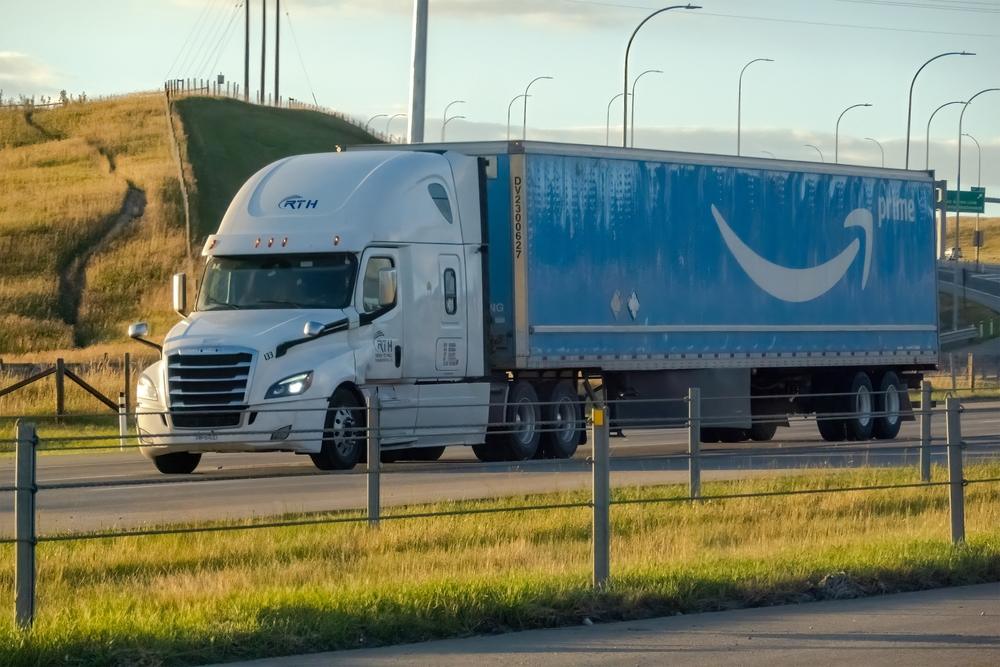
The rapid expansion of logistics hubs like Amazon and UPS distribution centers in Salt Lake City significantly increases truck accident risk by flooding local roadways with delivery vehicles under immense pressure to meet tight deadlines.
A truck accident in SLC often stems from this “last mile” rush, where speed takes precedence over safety, leading to collisions that leave victims facing severe injuries and complex legal battles. For those injured, understanding the legal landscape is the first step toward achieving a successful recovery.
When a delivery truck accident upends your life, the path forward involves more than just physical healing. It requires challenging powerful corporations that often hide behind layers of contractors and insurance policies.
Parker & McConkie Salt Lake City truck accident attorneys can step in to investigate the crash, identify every liable party, and fight for the compensation necessary to cover medical bills and lost wages. A free consultation can clarify how legal representation levels the playing field against logistics giants.
Key Takeaways About Why Legal Representation Matters After Delivery Truck Accidents in Salt Lake City
- Logistics growth equals higher risk. The surge in Amazon fulfillment centers and UPS distribution hubs along the I-15 and I-80 corridors has saturated Salt Lake County with commercial vehicles. An attorney uses strong evidence to show how this increased density contributes to preventable crashes.
- Liability is often layered. Delivery companies often utilize independent contractors or third-party logistics firms to mitigate their own liability. Legal counsel investigates the employment status of the driver to determine if vicarious liability applies to the parent company, maximizing potential compensation sources.
- Utah laws impact your recovery. Under Utah Code § 78B-5-818, your settlement can be reduced if you are found partially at fault. A lawyer defends against insurance tactics that try to shift blame to you, protecting your right to recover damages for catastrophic injuries.
- Time is a critical factor. Evidence, such as dashcam footage and electronic logging data, can be overwritten or lost quickly. A Salt Lake City truck accident lawyer acts immediately to preserve this evidence through spoliation letters, preventing the destruction of proof needed for your claim.
The “Last Mile” Problem: Why Logistics Hubs Create Danger Zones
Salt Lake City has become a major logistics hub for the western United States. The industrial corridors in West Valley City and along the I-215 belt route are now home to massive warehouse distribution centers. While this boom drives the economy, it also creates dangerous conditions for local drivers.
The Pressure to Deliver
The “last mile” of delivery—getting a package from the warehouse to the customer’s doorstep—is the most expensive and time-consuming part of the shipping process. To cut costs and expedite delivery times, companies place immense pressure on their drivers.
This pressure often leads to:
- Speeding: Drivers racing to meet quotas may exceed speed limits in residential areas.
- Fatigue: Long shifts and mandated overtime can lead to drowsy driving, even if drivers are technically within hours of service regulations.
- Unsafe parking: Delivery trucks often block bike lanes or park illegally to make quick drop-offs, creating hazards for cyclists and pedestrians.
When a driver prioritizes speed over safety, the risk of a delivery truck accident in Salt Lake City skyrockets. Legal action serves to hold these drivers and the companies that pressure them accountable for the harm they cause.
Congestion on Major Arteries
The influx of tractor-trailers hauling goods to and from these hubs clogs major arteries, such as I-15 and I-80. This heavy industrial park truck traffic leads to congestion-related crashes, particularly rear-end collisions.
When a fully loaded semi-truck fails to stop in time due to traffic congestion near a distribution center, the results are often catastrophic. Establishing the link between hub traffic patterns and specific accidents helps build a stronger case for negligence.
Identifying Liability: Who Is Responsible for a Delivery Truck Crash?
One of the biggest challenges in these cases is determining who to sue. Logistics companies have built complex business models designed to shield themselves from liability. Untangling this web requires a deep understanding of commercial trucking laws.
The Delivery Driver
The driver is the most obvious liable party. If they were texting, speeding, or driving under the influence, they bear responsibility. However, a driver’s personal insurance policy is rarely enough to cover the costs of a serious injury.
The Logistics Company (Amazon, UPS, FedEx)
Companies like UPS typically employ their drivers directly, making vicarious liability easier to establish. If a UPS driver causes a crash while on the clock, UPS is generally responsible.
Amazon, however, relies heavily on Delivery Service Partners (DSPs)—small, independent companies that operate the branded vans you see on the road. Amazon often argues it is not liable for the actions of these independent contractors.
A skilled Salt Lake City truck accident lawyer digs deeper. By examining the level of control the parent company exerts over the driver, such as dictating routes, schedules, and training, legal professionals can often pierce this corporate veil and hold the logistics giant accountable.
Third-Party Maintenance and Loading
Some of the most overlooked contributors to truck accidents are the parties responsible for maintaining or loading the vehicle. Their actions—or lack thereof—can create hazardous conditions that lead to devastating crashes:
- Improper loading: Warehouse workers rushing to fill a trailer may fail to secure cargo properly. Unsecured loads can shift, causing a truck to rollover on an I-215 on-ramp.
- Negligent maintenance: A third-party mechanic who fails to inspect brakes or tires can be held liable if a mechanical failure leads to a crash.
When these third parties contribute to unsafe conditions, identifying their role is critical for building a strong case and ensuring victims have access to all available sources of compensation.
Common Types of Accidents Near Amazon and UPS Distribution Centers
The types of crashes seen near logistics hubs differ from those typically seen on highways. They often occur in mixed-use areas where heavy trucks share the road with passenger cars, cyclists, and pedestrians.
Blind Spot Accidents
Delivery trucks and semi-trailers have massive blind spots. In urban areas or tight warehouse corridors, drivers often fail to see smaller vehicles or pedestrians before changing lanes or turning.
A cyclist hit by a truck near a warehouse faces life-altering injuries, and proving the driver failed to check their mirrors is essential for a successful claim.
Backing Up Accidents
Loading docks are chaotic environments. Trucks constantly entering and exiting create a high risk of backing-up accidents. These low-speed collisions can still cause crushing injuries to workers or pedestrians caught behind the vehicle.
Rear-End Collisions
The stop-and-go nature of delivery routes increases the risk of rear-end truck collisions. A distracted delivery driver, preoccupied with a GPS device, may not notice a car has stopped to let a pedestrian cross the street.
Even at lower speeds, the weight of a delivery van transfers significant force to the vehicle in front, often causing whiplash or spinal injuries.
Utah Laws That Impact Your Truck Accident Claim
State laws play a significant role in how compensation is awarded. Understanding these statutes helps victims know what to expect during the claims process.
No-Fault Insurance and PIP
Utah follows a no-fault system for auto accidents. Your initial medical bills up to $3,000 are covered by your own Personal Injury Protection (PIP) insurance, regardless of who caused the crash.
However, serious truck accidents rarely result in minor bills. Once your medical expenses exceed the $3,000 threshold, or if you suffer a permanent impairment, you can file a liability claim against the at-fault party.
This opens the door to claiming non-economic damages, such as pain and suffering, which PIP does not cover.
Modified Comparative Negligence
Utah’s comparative negligence law allows you to recover damages as long as you are less than 50% at fault. However, your compensation is reduced by your percentage of blame.
For example, if you are awarded $100,000 but found 20% at fault for “stopping suddenly,” you would receive $80,000. Insurance adjusters for companies like Amazon or UPS are trained to exploit this rule, trying to pin the fault on you to save money.
A lawyer fights back with evidence from the Utah Highway Patrol truck accident report and witness statements to minimize any fault attributed to you.
Statute of Limitations
You generally have four years from the date of the accident to file a lawsuit in Utah. Although this may seem like a long time, investigating a commercial vehicle accident can take time.
Waiting too long can mean that evidence, such as surveillance footage from a nearby warehouse, is deleted. Consulting an attorney early preserves your right to seek justice.
The Cost of a Logistics Boom: Catastrophic Injuries
The collision between a heavy commercial vehicle and a passenger car often results in catastrophic injuries that change a victim’s life forever.
Traumatic Brain Injuries (TBI)
The force of impact can cause the brain to strike the inside of the skull, leading to TBIs. Victims may suffer from memory loss, cognitive decline, and personality changes. The lifetime cost of care for a severe TBI can reach into the millions, requiring a settlement that accounts for decades of medical support.
Spinal Cord Damage
Herniated discs and spinal fractures are common in truck accidents. In severe cases, victims may face paralysis, requiring home modifications and lifelong assistance. Legal counsel works with medical experts to calculate the true cost of living with a spinal cord injury.
Wrongful Death
Tragically, many truck accidents in Salt Lake City result in fatalities. Families left behind face not only emotional devastation but also the loss of financial support. A wrongful death claim allows families to seek compensation for funeral expenses, lost future income, and loss of companionship.
FAQ: Truck Accidents and Logistics Hubs
Can I sue Amazon if their delivery van hit me?
It depends on the specific relationship between the driver and Amazon. While Amazon often claims that drivers are independent contractors, a lawyer can investigate the degree of control Amazon exercises over the drivers. If specific criteria are met, it may be possible to hold Amazon vicariously liable.
What evidence is crucial in a delivery truck accident?
Key evidence includes the driver’s electronic logs, the vehicle’s black box data, dashcam footage, and maintenance records. The Salt Lake City Police Department crash report is also vital. A lawyer acts quickly to secure these items before the trucking company can destroy or alter them.
Why are settlements for commercial truck accidents higher than those for car accidents?
Commercial trucks typically carry insurance policies with much higher limits than personal vehicles, often exceeding $750,000. Additionally, the injuries in these crashes are typically more severe, leading to higher medical bills and lost wages, which drives up the value of the claim.
Do I need a lawyer for a minor truck accident?
Even “minor” accidents with commercial vehicles can involve complex liability issues. Insurance adjusters may try to get you to sign a quick settlement that waives your right to future compensation. A free consultation with an attorney can help you understand the true value of your claim before you sign anything.
Taking Action Against Negligent Delivery Companies in SLC With the Help of Parker & McConkie Injury Lawyers
The convenience of express shipping should not come at the cost of public safety or your financial future. When logistics companies prioritize profits over people, they must be held accountable for the damage they cause. You do not have to face their legal teams alone.
Parker & McConkie Salt Lake City truck accident attorneys have the resources to take on major logistics corporations. We investigate the root causes of the crash, from negligent hiring practices to impossible delivery schedules, to build a case that demands maximum compensation.
We handle the legal burden so you can focus on healing. Our team will fight to secure the financial resources you need to rebuild your life after a devastating crash.
Are you ready to seek justice for injuries caused by an Amazon or UPS delivery truck? Contact Parker & McConkie Injury Lawyers today for a free consultation that explores your rights and legal options.
Legal Resources About Salt Lake City Truck Accident Claims
These resources provide valuable insights into the complexities of truck accident cases, helping you understand your rights and the legal options available after a serious crash:
- When Truck Accidents Close I-15 Through Salt Lake: Lost Wages and Business Interruption Claims
- The Ultimate Guide to Car and Trucking Accident Insurance Claims
- Utah’s Hours of Service Rules: How Driver Fatigue Causes Midvale Truck Crashes
- Trucking Company Bankruptcies in Utah: Protecting Your Claim Before the Company Closes
- What Is Negligence?
For tailored legal advice and support, contact Parker & McConkie Injury Lawyers to discuss your case and take the next step toward resolution.