

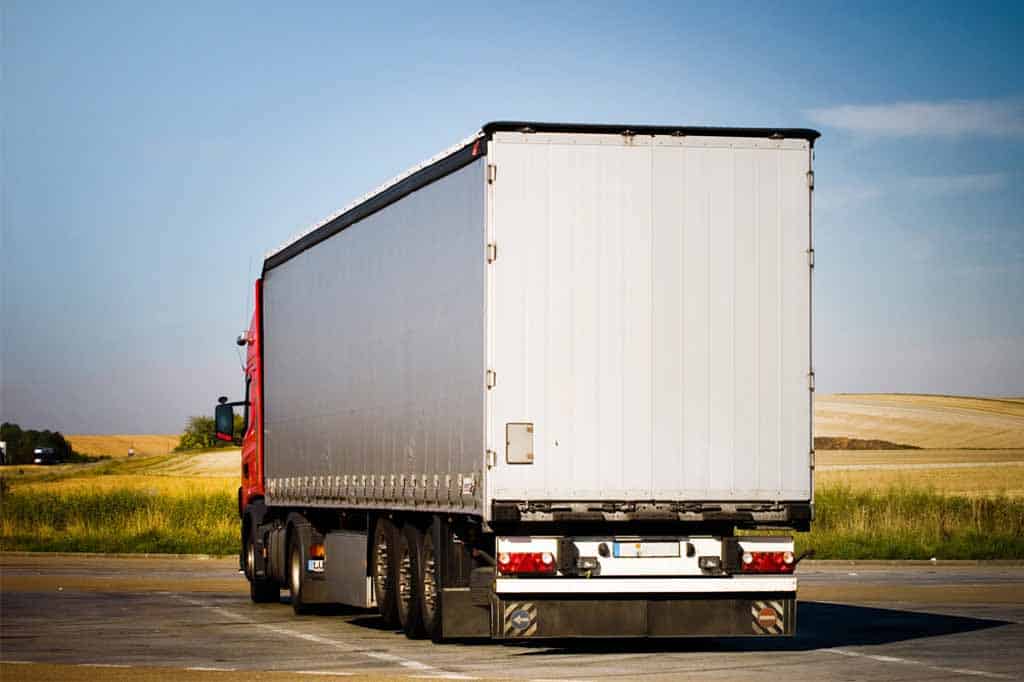
When a truck driver gets into an accident, a complex legal process begins involving multiple liable parties, federal investigations, and high-stakes insurance negotiations that go far beyond standard car crash claims.
Truck driver liability is rarely straightforward, as the trucking company, cargo loaders, and even maintenance providers may all share responsibility for the damages caused.
For victims facing mounting medical bills and severe injuries, understanding what happens next is critical. Commercial vehicle accidents are governed by a unique set of federal and state regulations that protect the trucking industry, but can leave injured individuals at a disadvantage without proper legal representation.
Parker & McConkie Injury Lawyers can step in immediately to preserve evidence, such as black box data and driver logs, before it is lost or destroyed. During a free consultation, you can learn how our truck accident lawyers investigate these crashes to identify every source of compensation available to you under the law.
Key Takeaways About Why Legal Representation Matters After Commercial Truck Accidents in Utah
- Multiple parties often share liability. Unlike a typical fender bender, a Utah semi-truck accident often involves vicarious liability. An attorney investigates to determine if the employer, the maintenance crew, or a third-party loader contributed to the crash.
- Federal regulations play a major role. Violations of FMCSA regulations regarding hours of service or maintenance schedules can serve as powerful evidence of negligence. Legal counsel uses these violations to establish fault and strengthen your claim for compensation.
- Evidence disappears quickly. Critical proof, like the truck’s black box data and driver logs, is often controlled by the trucking company. A Salt Lake City truck accident lawyer acts fast to send spoliation letters that legally prevent the destruction of this vital evidence.
- Utah’s comparative negligence laws apply. Under Utah Code § 78B-5-818, your compensation can be reduced if you are found partially at fault. A lawyer defends against insurance tactics that try to shift blame to you, protecting the value of your claim against aggressive commercial insurance adjusters.
The Immediate Aftermath: Investigations and Evidence
Trucking companies often have rapid response teams—investigators and lawyers—dispatched to the scene within hours. Their goal is to control the narrative and minimize the company’s financial exposure.
For the injured party, this creates an immediate imbalance. While you are receiving medical care, the trucking company is already building its defense.
Securing the “Black Box” Data
Modern commercial trucks are equipped with Electronic Control Modules (ECMs), often referred to as “black boxes.” These devices record crucial data leading up to the crash, such as:
- Speed at impact
- Braking patterns
- Engine RPMs
- Hours of operation
This data is some of the most objective evidence in a truck accident case. However, it can be overwritten or “lost” if not preserved immediately. A lawyer intervenes to secure this data, ensuring the truth about the crash is not erased.
Examining Driver Logs and Hours of Service
Driver fatigue is a leading cause of catastrophic injuries from truck accidents. To combat this, the Federal Motor Carrier Safety Administration (FMCSA) sets strict “hours of service” rules limiting how long a driver can be behind the wheel without a break.
Despite these rules, pressure to meet delivery deadlines often leads to logbook violations.
Drivers may falsify records to drive longer than legally allowed. An attorney analyzes these logs in conjunction with GPS data and fuel receipts to identify discrepancies that indicate the driver was operating illegally at the time of the crash.
Who is Liable? It’s Rarely Just the Truck Driver
One of the biggest misconceptions about truck accidents is that you only sue the driver. In reality, truck accident liability often extends far up the chain of command.
Because commercial policies typically have much higher limits than personal auto insurance, identifying all liable parties is crucial for covering the extensive costs associated with a serious injury.
Trucking Company Liability
Under the legal doctrine of respondeat superior (vicarious liability), an employer is generally responsible for the actions of their employees performed within the scope of their employment. If a driver causes a crash while on the job, the company is likely on the hook.
Beyond vicarious liability, a company can be directly negligent for:
- Negligent hiring: Employing drivers with a history of DUIs or reckless driving.
- Failure to train: Putting an inexperienced driver behind the wheel of a massive vehicle.
- Maintenance violations: Failing to conduct safety checks, allowing trucks to remain on the road longer.
Identifying a trucking company’s negligence can significantly impact the compensation available to victims. A lawyer can uncover these critical details to hold the company accountable for its role in the crash.
Third-Party Liability
Sometimes, the danger comes from outside the cab. Potential parties that may share liability can include:
- Cargo loaders: Improper cargo loading can cause weight shifts that lead to jackknife truck accidents or rollovers. If a third-party company loaded the trailer, they may be liable.
- Maintenance providers: If a brake failure causes a rear-end collision with a semi-truck, the mechanic or shop responsible for maintaining the fleet could be held accountable.
- Manufacturers: Defective parts, such as tires or steering components, can lead to product liability claims against the manufacturer.
When third parties contribute to a truck accident, their negligence should not go unnoticed. Legal professionals investigate every angle to ensure all responsible parties are included in your claim.
The Role of Insurance in Commercial Crashes
Commercial truck insurance policies are massive, often reaching into the millions of dollars. This high value means insurance adjusters fight these claims tooth and nail. They are not seeking fair settlements; they are seeking to protect their bottom line.
The “Delay and Deny” Strategy
Insurance companies recognize that injured victims often face financial pressure due to lost wages and medical bills. They may delay the investigation or deny liability outright, hoping you will accept a lowball offer just to make the calls stop.
A Salt Lake City truck accident lawyer handles all communication with the insurance carriers. By shielding you from these tactics, legal counsel forces the insurer to deal with the facts of the case rather than exploiting your financial vulnerability.
Multiple Policies at Play
In many cases, the tractor (the front part of the truck) and the trailer are owned and insured by different entities. This can lead to finger-pointing, with each insurer blaming the other. A skilled attorney navigates this web of coverage to ensure every policy contributes to your compensation.
Common Types of Truck Accidents and Their Causes
The physics of a collision involving an 80,000-pound vehicle are unforgiving. Understanding the type of crash can often point to the cause and the liable party.
Jackknife Accidents
This occurs when the trailer swings out to the side, resembling a folding pocket knife. It is often caused by sudden braking or slick roads. While weather can play a role, a skilled driver should know how to prevent a jackknife. Failure to do so may indicate negligence or a lack of training.
Underride Accidents
One of the most terrifying types of crashes, an underride accident, happens when a smaller vehicle slides underneath the trailer. These crashes often result in wrongful death or catastrophic brain injuries. They may occur because a truck lacks proper reflective tape or underride guards, or because a driver made an unsafe U-turn at night.
Rollovers
Top-heavy trucks are prone to tipping over if a driver takes a curve too quickly or if cargo is not properly secured. A rollover truck accident blocks multiple lanes and can crush nearby vehicles. Evidence of speed or cargo manifests typically reveals the cause of the truck tipping.
Why Injuries in Truck Crashes are Different
The sheer size difference between a passenger car and a semi-truck means injuries are rarely minor. Victims often face life-altering consequences that require long-term care.
- Traumatic brain injuries (TBI): The force of impact in high-speed collisions can cause severe brain trauma. Victims may experience cognitive decline, memory loss, or permanent disability. Lifetime treatment costs for TBIs can reach millions of dollars, especially when ongoing therapy and specialized care are required.
- Spinal cord injuries: Rollover or jackknife accidents often result in spinal cord damage, leading to paralysis or chronic pain. These injuries frequently necessitate home modifications, mobility aids, and lifetime medical support, creating a financial burden that can be overwhelming without legal intervention.
- Amputations: The crushing nature of multi-vehicle truck crashes can lead to the loss of limbs. Prosthetics, rehabilitation, and lost earning capacity contribute to the long-term costs, which can easily exceed hundreds of thousands of dollars over a lifetime.
- Burn injuries: Fires caused by fuel tank ruptures in truck accidents can result in severe burns. Victims may require multiple surgeries, skin grafts, and long-term pain management, adding to the financial and emotional toll.
- Internal organ damage: The blunt force trauma from a collision can cause life-threatening injuries to internal organs, requiring emergency surgery and extended hospital stays.
- Fractures and orthopedic injuries: High-impact crashes often result in multiple fractures, which may require surgeries, physical therapy, and long recovery periods.
When calculating damages, you cannot just look at today’s medical bills. You must consider the lifetime cost of care. Personal injury lawyers often collaborate with medical experts and life care planners to project these future costs, ensuring the settlement demand reflects the true impact of the injury on your life.
Utah Laws That Impact Your Claim
Every state has specific rules governing personal injury claims. In Utah, several key statutes directly impact the progression of a truck accident case.
Comparative Negligence
Utah follows a modified comparative negligence rule. You can recover damages as long as you are less than 50% at fault. However, your compensation is reduced by your percentage of fault. If a jury awards you $100,000 but finds you 20% at fault, you receive $80,000.
Trucking defense teams love to argue that the car driver was speeding or distracted to shift blame and reduce the payout. Strong legal representation counters these arguments with hard evidence from accident reconstructionists.
Statute of Limitations
You generally have four years from the accident date to file a lawsuit for damages or losses you may have sustained. If wrongful death is a factor in the case, you may only have as little as two years. For those whose claims involve a government entity, the filing window may be as little as 90 days.
While this may sound like a long time, building a case against a major trucking corporation requires considerable time. Waiting too long can result in lost evidence and missed opportunities. Speak with a lawyer as soon as possible to keep your case on track to recover the full compensation you may be entitled to under the law.
No-Fault Insurance and the Threshold
Utah is a no-fault state for car accidents, meaning you turn to your own Personal Injury Protection (PIP) for the first $3,000 in medical bills. However, given the severity of truck accidents, damages often exceed this limit.
Once you meet the threshold—either through $3,000 in medical expenses or permanent impairment—you can step outside the no-fault system and pursue a liability claim against the truck driver and their company. This opens the door to claiming non-economic damages, such as pain and suffering.
Truck Accident Liability FAQ
Who pays for my medical bills after a truck accident?
Initially, your own PIP coverage pays up to its limit. Once that is exhausted, or if you meet the injury threshold, the trucking company’s insurance is responsible for the remainder. A lawyer coordinates these benefits so you aren’t left paying out of pocket while waiting for a settlement.
Can I sue the trucking company if the driver was an independent contractor?
Federal regulations often hold trucking companies liable for vehicles displaying their placard, regardless of the driver’s employment status. An attorney can determine if the “statutory employee” doctrine applies to your case.
What if the truck driver was from another state?
Trucking is an interstate business. You can typically file a claim in the state where the accident occurred or where the trucking company is based. A lawyer with experience in federal trucking laws can determine the appropriate jurisdiction for your case.
Injured in a Truck Accident? Contact Parker & McConkie for a Free Case Evaluation
A collision with a commercial truck changes everything in an instant. The path to recovery involves more than just healing physical wounds; it requires holding powerful corporations accountable for the negligence that disrupted your life. You do not have to face the legal teams of billion-dollar insurance companies alone.
Parker & McConkie truck accident attorneys have the resources and experience to level the playing field. We meticulously investigate every detail, from driver logs to maintenance records, to build a case that demands full and fair compensation.
Are you ready to take the next step in seeking justice and compensation for your truck accident injuries? Contact Parker & McConkie today for a free consultation with our experienced personal injury attorneys in Utah, Idaho, and Wyoming.
Legal Resources About Truck Accident Cases
Explore these carefully selected resources to gain a deeper understanding of truck accident law and the steps involved in pursuing compensation:
- When Truck Accidents Close I-15 Through Salt Lake: Lost Wages and Business Interruption Claims
- When Commercial Trucks Jackknife on I-15 Through Midvale: Who Pays Your Medical Bills?
- Utah’s Hours of Service Rules: How Driver Fatigue Causes Midvale Truck Crashes
- Trucking Company Bankruptcies in Utah: Protecting Your Claim Before the Company Closes
For personalized guidance and a clear path forward, reach out to Parker & McConkie to explore your legal options during a free case evaluation.
Parker & McConkie Personal Injury Lawyers – Salt Lake City Office
466 S. 500 E., Suite 100,
Salt Lake City, UT 84102
(801) 851-1202
Hours: 24/7
Parker & McConkie Personal Injury Lawyers – Midvale Office
7090 Union Park Ave, #160,
Midvale, UT 84047
(801) 845-0440
Hours: 24/7
Parker & McConkie Personal Injury Lawyers – Ogden Office
2510 S Washington Blvd, Suite 160,
Ogden, UT 84401
(385) 402-8187
Hours: 24/7
Parker & McConkie Personal Injury Lawyers – Provo Office
37 E Center St, Suite 300,
Provo, UT 84606
(801) 876-4107
Hours: 24/7
Parker & McConkie Personal Injury Lawyers – Rock Springs Office
531 N Front St,
Rock Springs, WY 82901
(307) 205-7400
Hours: 24/7
Parker & McConkie Personal Injury Lawyers – Idaho Falls Office
2235 East 25th St. Suite #280,
Idaho Falls, ID 83404
(208) 418-0633
Hours: 24/7