

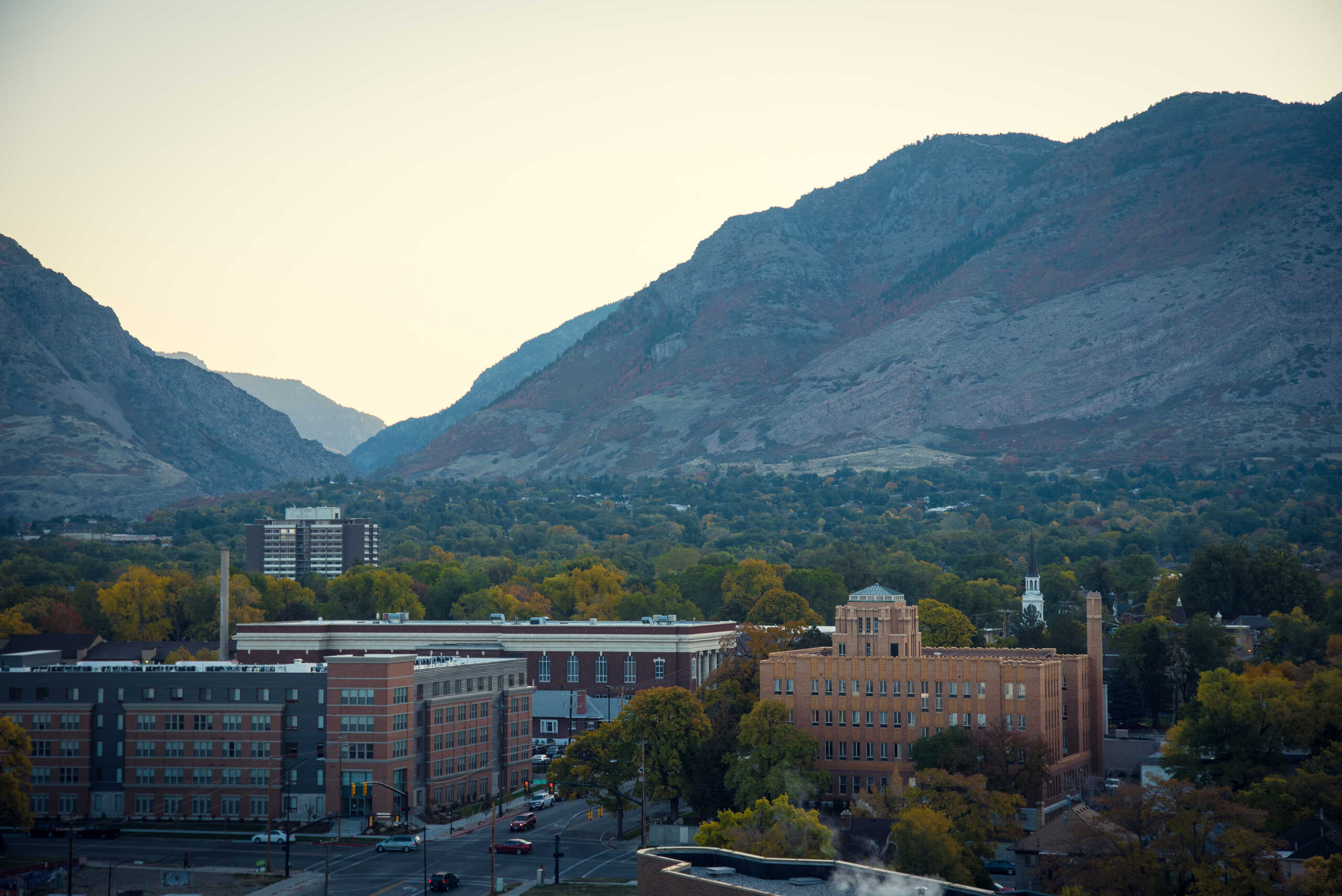
If you were hit by a vehicle while walking on or near the Utah Valley University (UVU) campus in Orem, one of the first questions you may have is: Who is responsible for my losses? The university or the city?
The answer depends on where the accident happened, who controlled the roadway or sidewalk, and whether a government entity’s actions (or inaction) contributed to the crash.
Pedestrian accidents near campus crosswalks, parking lots, University Parkway, or 800 South can involve overlapping responsibilities between UVU and the City of Orem. When public institutions are involved, special legal rules apply, especially under Utah’s Governmental Immunity Act.
If you are dealing with injuries, missed classes or work, and mounting medical bills, it’s vital to understand how liability works in university-area pedestrian accidents so you can make informed decisions about protecting your rights.
Key Takeaways About University Pedestrian Accident Claims
- Liability for a pedestrian accident on or near UVU depends on who controlled the roadway, sidewalk, or parking area.
- Claims involving public entities may be subject to Utah’s Governmental Immunity Act.
- Special notice requirements and shorter deadlines can apply when suing a government body.
- Utah follows a modified comparative negligence rule with a 50% bar.
- Prompt investigation is critical to preserve surveillance footage and scene evidence.
Why Pedestrian Accidents Are a Concern Near UVU
Utah Valley University’s Orem campus sees heavy daily foot traffic. Students move between classrooms, parking lots, dorms, nearby apartments, and public transit stops. High-volume pedestrian areas include:
- Crosswalks near University Parkway
- Campus internal roadways
- Parking lots and garages
- Bus stops and pedestrian pathways
- Intersections connecting to 800 South and 1200 West
Pedestrian congestion increases during:
- Class change periods
- Evening events
- Athletic games
- Other campus activities
Even low-speed collisions can cause serious injuries because pedestrians have no physical protection against a vehicle’s impact. According to the National Highway Traffic Safety Administration, pedestrians account for a significant portion of traffic fatalities nationwide. College campuses present unique risks due to dense foot traffic and distracted driving behaviors.
Who Controls the Area Where the Accident Occurred?
Determining liability starts with identifying who had control over the location of the crash.
Accidents on Public Roads Near Campus
If the accident occurred on a public roadway such as University Parkway or a city-maintained intersection, the City of Orem or the Utah Department of Transportation (UDOT) may have authority over:
- Traffic signal timing
- Road maintenance
- Crosswalk markings
- Signage
In these cases, an injury claim may involve a municipal or state entity if they were negligent.
Accidents on University Property
If the accident occurred on UVU-owned property, such as:
- Campus parking lots
- Internal access roads
- Sidewalks within campus boundaries
Then, Utah Valley University, as a public institution, may be involved. Because UVU is a public university, claims against it are governed by Utah’s Governmental Immunity Act.
Understanding ownership and control is the first important step in evaluating a campus pedestrian injury claim.
What Is the Utah Governmental Immunity Act and Why Does It Matter?
When a pedestrian accident involves a public university like Utah Valley University or a city-controlled roadway in Orem, your claim may fall under the Utah Governmental Immunity Act. This law governs when and how a person may bring a claim against a government entity.
It does not mean that the university or city can never be held responsible. However, it creates procedural rules and limitations that differ from those in ordinary personal injury cases. Knowing those differences is critical.
What Does “Governmental Immunity” Actually Mean?
In general, governmental immunity protects public entities from certain lawsuits, unless specific exceptions apply. Utah law waives immunity in some situations, including certain types of negligence involving:
- Dangerous road conditions
- Unsafe public property
- Negligent operation of government vehicles
- Hazardous maintenance failures
However, immunity may still apply in other circumstances, particularly when claims involve discretionary decisions, planning-level policy choices, or certain governmental functions. For example:
- If a campus maintenance crew negligently fails to repair a broken walkway that creates a tripping hazard, immunity may be waived.
- If a city employee driving a municipal vehicle strikes a pedestrian, immunity may not protect that negligent operation.
- But if the claim challenges broader design decisions or policy-level planning choices, immunity may protect the government.
The distinction between operational negligence and discretionary policy decisions can significantly affect how a claim proceeds. An experienced pedestrian accident lawyer can explain whether these rules apply to your claim.
The Notice of Claim Requirement
One of the most important aspects of the Governmental Immunity Act is the Notice of Claim requirement. Before filing a lawsuit against a government entity in Utah, you must typically file a formal written notice of your claim within a specific timeframe. In most cases, this notice must be filed within one year of the date of the injury.
This is much shorter than the general four-year statute of limitations for personal injury claims in Utah. The Notice of Claim must:
- Identify the injured person
- Describe the circumstances of the injury
- State the nature of the damages
- Be served on the proper government official
Failing to file this notice correctly and on time can result in dismissal of your claim even if the underlying injury was serious and clearly caused by negligence. For students and families unfamiliar with these procedural requirements, this is often one of the biggest legal pitfalls.
Claims Involving Campus Police or University Vehicles
If the accident involved a campus police vehicle, university shuttle, maintenance truck, or other university-operated vehicle, the claim may fall under the portion of the Act dealing with negligent operation of motor vehicles. In those cases, issues may include:
- Whether the driver was acting within the scope of employment
- Whether emergency vehicle privileges applied
- Whether proper pedestrian right-of-way laws were followed
Vehicle-related claims often follow a different legal analysis than property-condition claims.
Claims Based on Dangerous Property Conditions
Some pedestrian accidents involve:
- Faded crosswalk markings
- Malfunctioning pedestrian signals
- Poor lighting
- Obstructed sight lines
- Uneven sidewalks
These claims may involve allegations that the university or city failed to maintain safe premises.
In these situations, investigators may examine:
- Maintenance records
- Inspection schedules
- Prior complaints
- Work orders
- Lighting audits
Because public entities will defend these cases vigorously, documentation becomes especially important.
Why Early Action Is Essential
Unlike private-party cases, government claims are heavily procedural. Acting promptly helps ensure that:
- The proper Notice of Claim is filed.
- Surveillance footage is preserved.
- Maintenance records are requested before they are lost.
- Witnesses are identified.
Talk to a skilled Utah personal injury lawyer to better understand your rights under these strict rules.
Campus Police, Surveillance Cameras, and Preserving Critical Evidence
Pedestrian accidents on campus may involve more recorded evidence than a typical roadway crash, but that evidence does not stay available forever. Campus police, university security systems, and city investigations may be involved in the investigation of your accident.
Campus Police vs. Orem Police Department
Depending on where the accident occurred, the responding officers may be:
- Utah Valley University Police Department
- Orem Police Department
- Utah Highway Patrol (in limited roadway situations)
Campus police officers are certified law enforcement officers, but their reports may be processed internally through university systems. This distinction matters because:
- Campus reports may not automatically be forwarded to city records systems.
- Body camera footage policies may differ.
- Internal investigations may occur alongside standard accident reporting.
Obtaining the correct report quickly is important. If a government entity may be involved, the report can become a key piece of evidence.
The Role of Surveillance Cameras on Campus
University campuses often have extensive surveillance systems, including:
- Cameras mounted on academic buildings
- Parking garage and lot surveillance
- Traffic monitoring near crosswalks
- Security cameras near residence halls
- Cameras inside campus-operated vehicles
In addition, nearby businesses along University Parkway or surrounding retail areas may also have exterior cameras capturing intersections or sidewalks. Video evidence may show:
- The pedestrian’s position
- Traffic signal timing
- Driver speed
- Lighting conditions
- Obstructions
- Vehicle movements
However, many surveillance systems automatically overwrite footage within days or weeks unless it is preserved.
Why Evidence Preservation Letters Matter
A dedicated injury lawyer can prepare a formal preservation request to secure:
- Surveillance footage
- Dash camera recordings from campus vehicles
- Traffic signal timing logs
- Maintenance records for crosswalks or lighting
- Incident reports and internal communications
Without prompt legal action, routine data retention policies may erase valuable information before a claim is fully evaluated.
Why Acting Quickly Protects Your Claim
In pedestrian accident cases near UVU, passing time affects the evidence available to support your claim. Because government entities may be involved, additional procedural steps and short deadlines mean you need to take legal action quickly.
Preserving evidence does not mean you must immediately file a lawsuit. It means taking steps to ensure that critical information remains available while you evaluate your legal options. In cases where liability may be shared between a driver and a public entity, evidence is central to establishing what truly happened.
What If a Private Driver Caused the Accident?
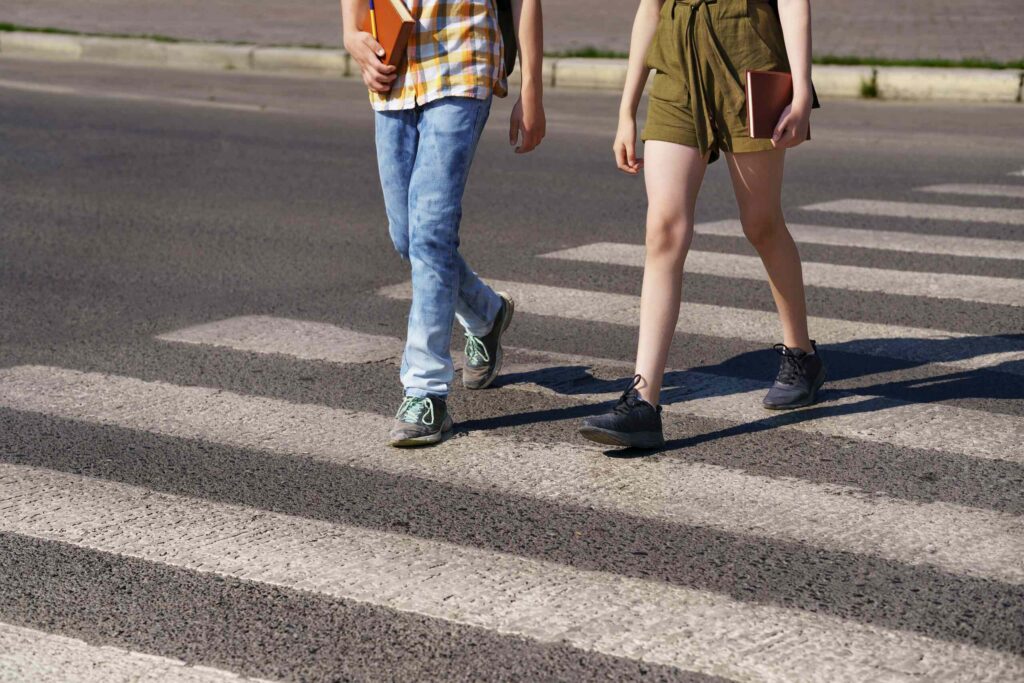
Not all UVU pedestrian accidents involve government liability. In many cases, a private driver is responsible for:
- Failing to yield in a crosswalk
- Distracted driving
- Speeding through campus areas
- Running a red light
- Making unsafe turns
In those situations, the claim may proceed as a standard personal injury case against the driver’s auto insurance policy.
How Does Comparative Negligence Apply to Pedestrian Accidents?
Some pedestrian accidents are not entirely one-sided. Drivers may argue that:
- The pedestrian crossed outside a marked crosswalk.
- The pedestrian entered traffic unexpectedly.
- The pedestrian was distracted by a phone.
When multiple parties may share responsibility for an accident, Utah applies a modified comparative negligence rule with a 50% bar. If you were partially responsible for the collision:
- You may recover damages if you are less than 50% at fault.
- Your recovery is reduced by the percentage of fault you bear.
- If you are 50% or more responsible, you cannot recover compensation.
Evidence such as surveillance footage, traffic signal timing data, and witness testimony can significantly influence how fault is allocated.
Common Injuries in UVU Pedestrian Accidents
Pedestrian injuries can be severe, even at moderate speeds, since the walker has no protection from the impact of the vehicle. Common serious injuries may include:
- Traumatic brain injuries
- Spinal cord injuries
- Fractures (especially legs, hips, and wrists)
- Internal bleeding
- Facial injuries
- Soft tissue damage
Students may face unique challenges after an accident, such as missing classes, delayed graduation timelines, or reduced work-study income. Faculty and staff may experience lost wages and long-term career disruption while recovering from severe injuries.
What Compensation May Be Available?
If another party’s negligence caused your injuries, your compensation may include payment for:
- Emergency medical care
- Hospitalization and procedures
- Rehabilitation
- Lost wages and reduced earning capacity
- Delayed graduation
- Lost scholarships
- Lost internship opportunities
- Tuition loss
- Student loan complications
- Housing issues
- Pain and suffering
- Future medical expenses
When government entities are involved, damage rules may differ from private-party claims.
Work with a dedicated Utah personal injury lawyer to understand these distinctions.
How Long Do I Have to File an Injury Claim in Utah?
For most personal injury claims, the Utah statute of limitations is four years from the date of the injury. However, when a claim involves a government entity—such as UVU or the City of Orem—shorter notice deadlines may apply under the Governmental Immunity Act.
Talk to a lawyer as soon as possible to protect your rights and preserve evidence.
FAQs About Pedestrian Accident Claims New UVU
What if the crosswalk was poorly marked?
If faded paint, inadequate signage, or obstructed views contributed to the crash, liability may extend beyond the driver. Government notice requirements may apply if a public entity controls the crosswalk.
Can I bring a claim if I was jaywalking?
Possibly. Comparative negligence may reduce your recovery, but it does not automatically eliminate your claim unless you are found 50% or more at fault.
What if campus security responded instead of local police?
Campus police or security reports can still serve as important documentation in your claim. Provide factual information, but do not speculate about who was at fault.
Does it matter if I was not a student?
No. Liability depends on negligence and control of the location, not your relationship to the university.
The Team at Parker & McConkie Can Stand With You After a UVU Pedestrian Accident
A pedestrian accident near or on the UVU campus can leave you facing serious injuries and complicated liability questions, especially when public entities are involved.
At Parker & McConkie Injury Lawyers, we represent injured individuals throughout Orem and Utah County. We understand how Utah’s Governmental Immunity Act, comparative negligence rules, and pedestrian right-of-way laws apply in university-area accidents.
While you focus on your physical recovery, let us stand up to insurance companies and navigate the legal process on your behalf. Call 833-STANDUP for a free consultation and learn about the options available to protect your future.