

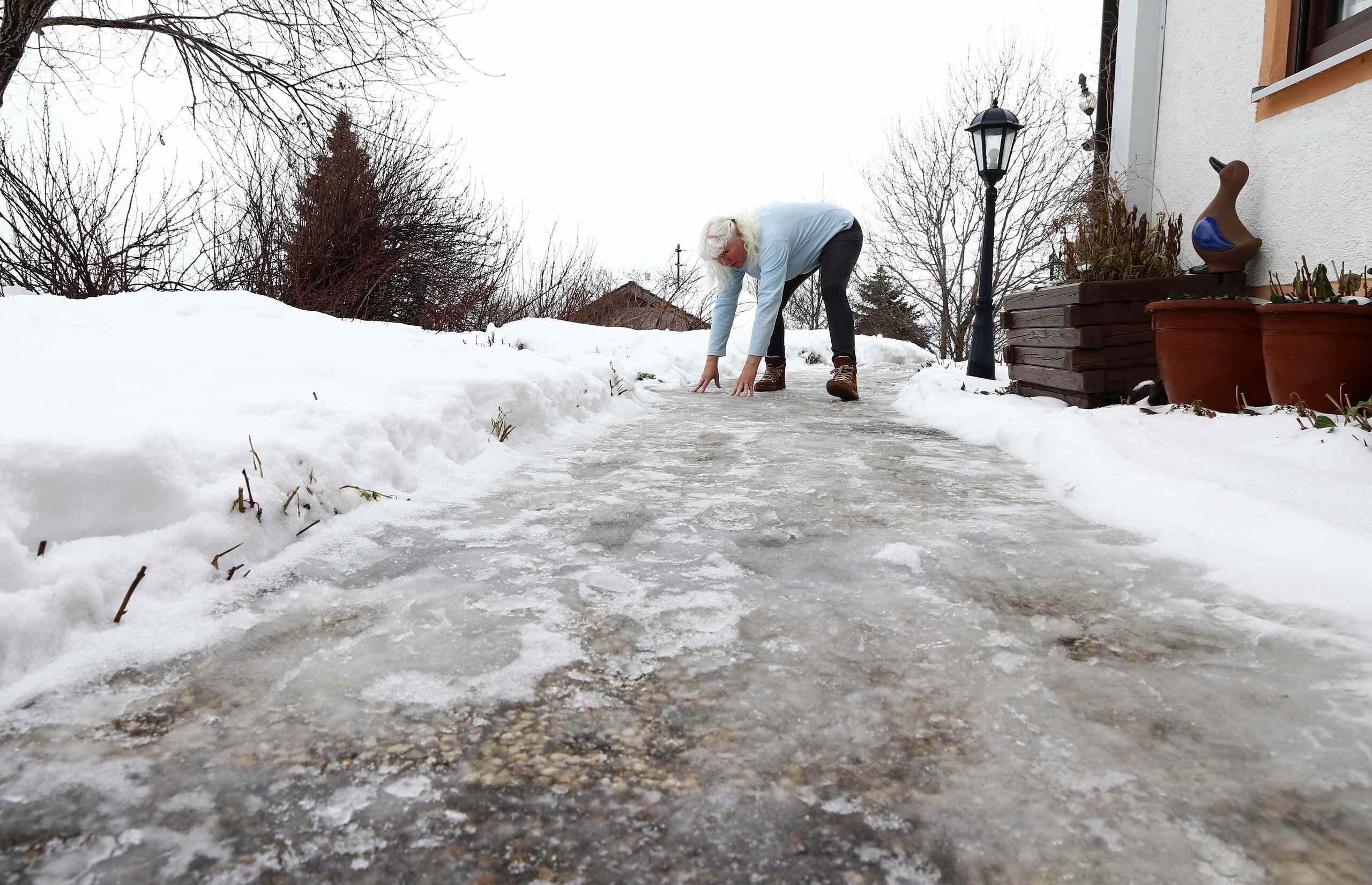
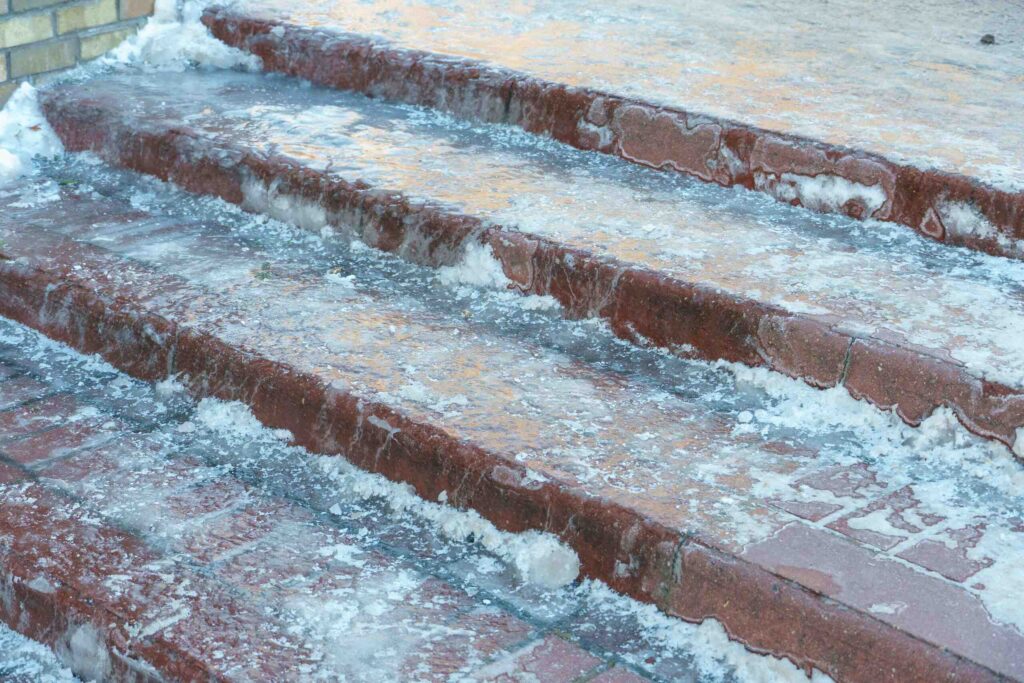
If you slipped on icy steps at a neighbor’s home in Ogden or fell because of a loose handrail at a friend’s house, you may be wondering whether you have the right to seek compensation… and whether doing so means “suing” someone you know. Under Utah law, homeowners have legal responsibilities to keep their property reasonably safe for guests. When they fail to meet that duty, and someone is hurt, a premises liability claim may be appropriate.
Many people hesitate in these situations. You may value the relationship and feel uncomfortable about pursuing a claim. But homeowners’ insurance exists for this exact reason: to provide financial protection when someone is injured on the property. In most cases, it is the insurance company—not your friend or neighbor personally—that handles and pays the claim.
Let’s look at how slip-and-fall liability works in private residences in Ogden to help you make a thoughtful legal decision while protecting your health and financial stability.
Key Takeaways About Slip and Fall Claims at Private Homes in Ogden
- Utah homeowners owe legal duties to guests on their property.
- Liability depends on the visitor’s legal status and the homeowner’s knowledge of the hazard.
- Homeowners insurance typically covers personal injury claims.
- Utah follows a modified comparative negligence rule with a 50% bar.
- Most personal injury lawsuits in Utah must be filed within four years.
- Pursuing a claim generally involves the insurance company, not direct personal payment from the homeowner.
When Is a Homeowner Responsible for a Slip and Fall?
Utah’s premises liability law governs injuries arising from unsafe property conditions. In Ogden, common residential slip and fall scenarios include:
- Icy driveways or sidewalks during winter
- Loose or broken stair railings
- Uneven porch steps
- Poor lighting at entryways
- Wet floors inside the home
- Torn carpeting or loose rugs
- Cluttered walkways
Under Utah law, homeowners are not automatically responsible for every accident that occurs on their property. The key question is whether they failed to exercise reasonable care under the circumstances.
Understanding a Visitor’s Legal Status: Invitee vs. Licensee
Utah law recognizes different categories of visitors. Most social guests—friends, neighbors, family members—are considered licensees. A homeowner owes a licensee a duty to:
- Warn about known dangerous conditions that are not obvious
- Avoid willfully or recklessly causing harm
If the homeowner you were visiting knew about a dangerous condition—such as a loose deck board—and failed to warn you, liability may arise.
Invitees, such as individuals on the property for business purposes, are owed a higher duty of care. In those situations, homeowners must inspect for hazards and address dangerous conditions. Knowing your status on the property helps determine what legal standard applies.
What Must Be Proven in a Residential Slip and Fall Case?
To recover compensation in a premises liability claim in Utah, you generally must prove:
- A dangerous condition existed.
- The homeowner knew or should have known about it.
- The homeowner failed to fix or warn about the hazard.
- The dangerous condition caused your injury.
- You suffered damages.
For example, if you slipped on ice on a front walkway, the issue may be whether the homeowner had a reasonable opportunity to clear or salt the area. Utah winters in Weber County can create rapidly changing conditions. Courts will consider whether the homeowner acted reasonably, given the timing and weather circumstances.
How Does Utah’s Comparative Negligence Rule Apply?
Some slip and fall accidents involve shared responsibility and the injured person may be partially at fault for the fall. In these cases, the homeowner may argue that:
- You were not watching where you were walking.
- You ignored visible ice or another obvious hazaad.
- You wore inappropriate footwear.
If you were partially at fault for your injuries, Utah’s modified comparative negligence rule, which contains a 50% bar, will apply. This means:
- You may recover damages if you are less than 50% at fault.
- Your compensation is reduced by your assigned percentage of fault.
- If you are 50% or more responsible for the accident, you cannot recover compensation.
Insurance companies often attempt to shift blame to the injured guest to reduce or avoid paying for their losses. Clear evidence—such as photographs, weather reports, and witness statements—can help protect your claim.
How Homeowners Insurance Typically Works
One of the biggest concerns people have is: “Will I be taking money directly from my friend?”
The short answer, in most cases, is no.
Homeowners’ insurance policies include personal liability coverage. This coverage is specifically designed to:
- Protect the homeowner financially
- Pay for injuries sustained by guests
- Cover medical bills, lost wages, and other damages
- Provide a legal defense for the homeowner if a lawsuit is filed
When you bring a claim, it is typically submitted to the homeowner’s insurance company. The insurer investigates the claim and determines whether compensation is appropriate under the policy.
The homeowner does not usually write a personal check. They have liability insurance specifically to manage these situations without destroying personal relationships or dipping into the property owner’s pockets.
Understand how tax laws apply to your recovery by reading our guide on whether you have to pay taxes on a personal injury settlement.
Why People May Hesitate to Bring a Claim
It is common to feel conflicted about pursuing compensation after being injured at a friend’s or neighbor’s home. You may worry about damaging a friendship, creating tension within your community or causing financial hardship for the homeowner. These concerns are understandable.
However, consider the broader picture. Medical bills, physical therapy, lost wages, and long-term pain can cause you significant financial strain. If a homeowner’s insurance policy exists to cover these types of incidents, using that coverage is not personal, it is practical.
Most homeowners expect their insurance to handle these situations. In many cases, homeowners themselves encourage injured guests to submit a claim so that their friend’s medical expenses are properly addressed.
Common Defenses Raised by Insurance Companies
Insurance carriers representing homeowners often try to reduce their payment obligations by arguing:
- The hazard was open and obvious.
- The homeowner had no notice of the condition.
- The condition developed too quickly to correct.
- The injured person assumed the risk.
For example, in icy-sidewalk cases, insurers may argue that snow had just fallen and that the homeowner did not have sufficient time to treat the surface. Each case depends on its specific facts.
What Compensation May Be Available in a Private Residence Fall Accident?
If a homeowner’s negligence caused your injury, compensation may include:
- Emergency room treatment
- Hospital bills
- Surgery
- Rehabilitation
- Lost wages
- Reduced earning capacity
- Pain and suffering
- Future medical care
A thorough evaluation of both current and future losses is important when determining the value of a claim. A dedicated Utah premises liability lawyer can help gather important information to build your claim and place a fair value on your losses.
How Long Do You Have to File an Injury Lawsuit in Utah?
Utah’s statute of limitations generally provides four years from the date of injury to file a personal injury lawsuit. While that may seem like a long time, evidence in support of your claim can fade quickly when:
- Ice melts
- Conditions are repaired
- Witness memories fade
Taking prompt legal action can help preserve documentation and protect your right to receive the compensation you deserve to cover your expenses, lost income, and other related damages.
FAQs About Slip and Fall Claims at Private Homes in Ogden
Will my friend or neighbor have to pay out of pocket if I bring a claim?
In most cases, no. Homeowners insurance is specifically designed to cover personal injury claims like slip and fall accidents. When a claim is filed, it is typically handled by the homeowner’s insurance carrier. The insurance company investigates, negotiates, and—if appropriate—pays the claim up to the policy limits.
What if I don’t want to “sue” someone I care about?
Many residential injury claims never require filing a lawsuit or going to court. They are resolved through insurance negotiations. A lawsuit is typically filed only if the insurance company refuses to offer fair compensation.
It may help to think of the claim as a request for insurance coverage, not a personal attack. Most homeowners carry liability insurance for precisely this reason. Filing a claim does not mean you are accusing someone of intentional wrongdoing; it means you are asking their insurer to provide the coverage the homeowner had paid for.
Does homeowners insurance always cover slip and fall injuries?
Most standard homeowners policies include personal liability coverage. However, the details depend on the specific policy. The amount of coverage may vary based on:
- Policy limits
- Exclusions
- Whether the homeowner rents or owns the property
- Whether the incident involved certain high-risk features (like pools or trampolines)
Having a skilled legal team perform an investigation into available coverage is often one of the first steps in evaluating a claim.
What if the fall happened at a rental home?
If the property is a rental, liability may depend on who was responsible for maintaining the hazardous condition. For example:
- A landlord may be responsible for structural issues, exterior maintenance, or common areas.
- A tenant may be responsible for temporary hazards inside the unit.
Determining responsibility often requires reviewing the lease agreement and understanding who had control over the area where the fall occurred.
What if there were no witnesses?
A claim can still proceed even without witnesses. Photographs, medical records, weather reports, and maintenance history can all support your case.
In icy walkway cases, for example, historical weather data may show when snow or freezing rain occurred. If the homeowner had ample time to address the condition but did not, that information can become relevant.
Prompt medical documentation is also important. Seeking treatment right after the fall helps establish a clear connection between the incident and your injuries.
What if the adjuster says the hazard was obvious?
Insurance companies often argue that a condition was “open and obvious.” However, Utah law does not automatically bar recovery simply because a hazard was visible. The key question is whether the homeowner acted reasonably under the circumstances.
For example, a thin sheet of clear ice may be difficult to see even in daylight. Poor lighting, shadows, or weather conditions can affect visibility. Even if a condition was partially visible, comparative negligence rules may still allow recovery as long as you are less than 50% at fault.
What if I was injured at night?
Lighting conditions are often central in residential slip and fall cases. Homeowners have a responsibility to provide reasonably safe access to entryways and stairs.
If inadequate lighting contributed to your fall, that may be a factor in determining negligence. Photographs taken at the same time of day as the incident can help demonstrate the visibility issues you experienced.
Can I bring a claim if I was helping the homeowner with a project?
Possibly. If you were assisting with yard work, moving furniture, or helping with repairs, your legal status may depend on the circumstances. If you were on the property with permission and the homeowner failed to warn you of a known hidden hazard, you may have a viable claim. However, each case depends on its specific facts.
What if I delayed medical treatment?
Delays in treatment can make a claim more challenging, but they do not automatically prevent recovery. Insurance companies may argue that your injuries were not serious or were unrelated to the fall.
Seeking medical evaluation as soon as possible is always best. If you experienced symptoms but waited due to financial or scheduling concerns, documentation explaining that delay may help clarify the situation.
How long does a slip and fall claim usually take?
Every case is different. Some claims resolve within a few months, while others take longer depending on:
- The severity of injuries
- The need for ongoing treatment
- Insurance company response
- Disputes about liability
It is often advisable to wait until your medical condition stabilizes before finalizing a settlement so that all future treatment expenses are included in the settlement amount.
Let Parker & McConkie Stand Up For Your Rights After a Slip and Fall in Ogden
A slip and fall injury at a private residence can leave you facing unexpected medical expenses and difficult decisions. You should not have to carry those burdens alone simply because the injury happened at a friend’s or neighbor’s home.
At Parker & McConkie Injury Lawyers, we represent injured individuals throughout Ogden and Weber County. We understand how Utah premises liability law, comparative negligence principles, and homeowners’ insurance coverage affect residential injury cases.
While you focus on healing, let us stand up to insurance companies on your behalf. Call 833-STANDUP for a free consultation and to learn about your legal options so you can move forward with clarity and confidence.