

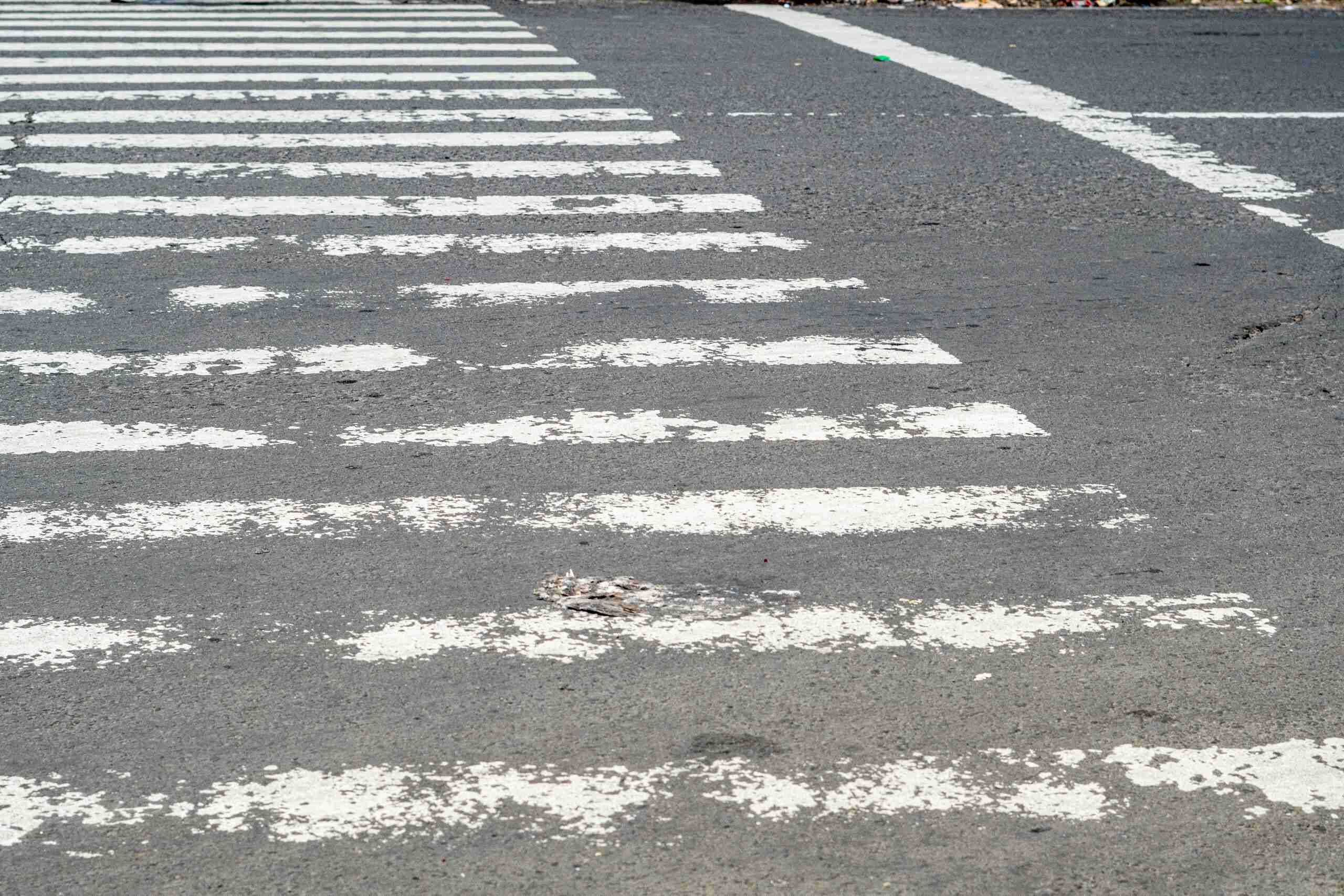
If you were struck by a vehicle in an unmarked crosswalk in Midvale, you can hold the driver legally responsible for hitting you. Under Utah law, drivers must yield to pedestrians not only in marked crosswalks, but also at many intersections where crosswalks are legally recognized, even if no paint is visible on the pavement.
After being hit while crossing near State Street, 7200 South, Fort Union Boulevard, or another Midvale roadway, you’re likely dealing with painful injuries, medical bills, and uncertainty about your next steps. Drivers and insurance companies sometimes claim that an “unmarked” crosswalk means a pedestrian did not have the right of way. That is not how Utah law works.
Let’s review pedestrian rights, driver duties, and how liability is determined in unmarked crosswalk cases to help you make the best decisions about how to protect your future.
Key Takeaways About Unmarked Crosswalk Accidents in Midvale, UT
- Utah law recognizes crosswalks at intersections, even if they are not painted.
- Drivers must yield to pedestrians in both marked and unmarked crosswalks.
- A driver’s failure to yield can form the basis of a personal injury claim.
- Utah follows a modified comparative negligence rule if you were partially at fault.
- Most pedestrian injury lawsuits in Utah must be filed within four years.
- Acting quickly after the crash helps preserve evidence and strengthen your claim.
What Is an Unmarked Crosswalk Under Utah Law?
Many people assume a crosswalk only exists when it is painted with white lines. In reality, Utah law defines a crosswalk more broadly.
At most intersections, crosswalks legally exist at the corners of the intersection, whether or not lines are painted on the roadway. This means that if you were crossing at an intersection in Midvale, you may have been in a legally recognized crosswalk even if:
- There were no painted lines.
- The paint had faded.
- The crossing was not specially marked.
Drivers are required to yield to pedestrians lawfully within a crosswalk. The absence of paint does not eliminate a driver’s legal duty.
What Duties Do Drivers Owe to Pedestrians in Midvale?
Utah law requires drivers to exercise reasonable care to avoid colliding with pedestrians. This includes:
- Yielding the right of way at crosswalks.
- Maintaining a proper lookout.
- Driving at safe speeds for conditions.
- Avoiding distracted driving.
In busy Midvale corridors—such as State Street or Fort Union Boulevard—drivers must remain especially attentive to pedestrian traffic. When a driver fails to yield at an unmarked crosswalk and strikes a pedestrian, that failure may constitute negligence and legal liability.
Why Do Unmarked Crosswalk Accidents Happen?
Unmarked crosswalk collisions often occur because drivers:
- Do not recognize that a legal crosswalk exists.
- Focus only on painted lines.
- Turn without checking for pedestrians.
- Look for vehicle traffic but not foot traffic.
- Become distracted by phones or in-car systems.
Left-turn accidents are especially common. A driver turning left at an intersection may focus on oncoming cars and overlook a pedestrian crossing in the adjacent lane. Even at moderate speeds, these collisions can cause serious harm.
How Liability Is Determined After a Pedestrian Accident
In most unmarked crosswalk cases, the central question is whether the driver failed to yield as required under Utah law. To establish liability, an injured pedestrian generally must show:
- The driver owed a duty of care.
- The driver breached that duty by failing to yield or act reasonably.
- The breach caused the collision.
- The pedestrian suffered injuries and monetary damages.
Evidence in support of a pedestrian injury claim may include:
- Police reports
- Traffic camera footage
- Witness statements
- Vehicle damage patterns
- Medical records
In many Midvale intersections, traffic cameras or nearby business surveillance footage may help clarify what happened. But this footage must be preserved quickly. Talk to a reputable personal injury lawyer to help you protect important evidence.
Discover how a simple gesture can lead to a serious collision by reading our guide on Utah’s “courtesy trap” law and its impact on Midvale pedestrian accidents.
How Does Utah’s Comparative Negligence Rule Apply to Pedestrian Accidents?
In some accident cases, more than one person may share responsibility. Even when a driver clearly failed to yield, an insurer may attempt to argue that the pedestrian contributed to the crash. This is where Utah’s comparative negligence law becomes important.
Comparative negligence is the legal system Utah uses to determine fault when more than one party may have contributed to an accident. Instead of automatically preventing recovery, the law looks at percentages of responsibility.
In Utah, the modified comparative negligence rule has a 50% bar. In practical terms, this means:
- You may recover compensation if you are less than 50% at fault.
- Your compensation will be reduced by any percentage of fault assigned to you.
- If you are found to be 50% or more responsible, you cannot recover damages.
In unmarked crosswalk cases, drivers have a clear duty to yield to pedestrians lawfully crossing at intersections. While insurers sometimes attempt to shift the blame, the law still requires drivers to maintain a proper lookout and exercise reasonable care.
Common Injuries in Midvale Pedestrian Accidents
Pedestrian accidents frequently result in serious injuries because the human body has no protection against a vehicle’s impact. Common pedestrian-car accident injuries include:
- Traumatic brain injuries
- Concussions
- Spinal cord injuries
- Broken legs and hips
- Pelvic fractures
- Internal bleeding
- Severe road rash
Even collisions at lower speeds can lead to serious long-term medical consequences.
What Compensation May Be Available?
If a driver’s negligence caused your injuries in an unmarked crosswalk, you may seek compensation for:
- Emergency medical care
- Hospital bills
- Surgery
- Physical therapy
- Lost wages
- Reduced earning capacity
- Pain and suffering
- Future medical treatment
In serious cases, the costs of long-term care and rehabilitation must be carefully evaluated and included in any settlement demand sent to the insurance company.
What You Should Do in the Days and Weeks After a Pedestrian Accident
The steps you take after a vehicle-pedestrian accident can significantly affect your ability to recover compensation from the negligent driver. To improve your chances of receiving the maximum amount of compensation, follow these tips:
Follow Through With Medical Treatment
Continue all recommended medical care. Attend follow-up appointments, imaging studies, and therapy sessions, and avoid gaps in treatment. Keep copies of medical records and bills.
Document Your Recovery
Maintain a personal record describing:
- Pain levels
- Mobility limitations
- Missed workdays
- Activities you can no longer perform
A written journal can help demonstrate how the accident has affected your daily life.
Preserve Evidence
Protect any photographs of the intersection, your injuries, or damaged clothing as evidence.
If you know nearby businesses may have surveillance footage, contact a lawyer quickly to protect it. Video is often overwritten within days or weeks.
Avoid Early Settlement Pressure
Insurance adjusters may contact you soon after the accident. Early settlement offers usually do not reflect the true cost of your injuries, especially if future treatment is needed. It is often wise to wait until your medical condition stabilizes before discussing final settlement amounts.
Contact a Utah Pedestrian Accident Lawyer as Soon as Possible
Unmarked crosswalk cases can involve legal nuances about intersection design, right-of-way laws, and driver duties. An experienced pedestrian accident lawyer can:
- Evaluate whether Utah crosswalk laws support your claim.
- Preserve evidence before it is lost.
- Communicate with insurance companies on your behalf.
- Calculate the full value of your damages.
- Protect you from unfair blame-shifting tactics.
Early legal guidance can make a significant difference in the strength of your case.
How Long Do I Have to File a Lawsuit in Utah?
Utah’s statute of limitations generally provides four years from the date of the accident to file a personal injury lawsuit. Although four years may seem like ample time, evidence can disappear quickly, and a skilled legal team will need time to investigate and prepare a strong claim. Acting promptly helps protect your legal options.
Frequently Asked Questions About Unmarked Crosswalk Accidents in Midvale
What if the driver claims I “came out of nowhere”?
This is a common defense in pedestrian accident cases. However, drivers are required to maintain a proper lookout at intersections. That includes watching for pedestrians entering the roadway from corners and sidewalks. If you were lawfully crossing within an intersection, the responsibility to observe and yield generally falls on the driver.
A driver’s statement that they “didn’t see you” does not automatically excuse their conduct. In many cases, it may indicate that they were not paying sufficient attention.
Does it matter if it was dark outside?
Lighting conditions can be relevant, but they do not eliminate a driver’s responsibility. Drivers must adjust their behavior based on conditions.
Midvale has a mix of well-lit commercial corridors and darker residential intersections. If lighting was inadequate, investigators may examine whether the driver adjusted their speed and attentiveness accordingly.
The question is not simply whether it was dark. The question is whether the driver acted reasonably under the circumstances.
What if there were no “Pedestrian Crossing” signs?
Warning signs are not required for a crosswalk to exist legally at an intersection. While signage can enhance safety, Utah law does not require signs to give pedestrians the right of way. If you were crossing at a legally recognized intersection, the absence of signage does not remove the driver’s duty to yield.
Can I still bring a claim if I was hit during a left turn?
Yes, and left-turn pedestrian collisions are very common. When drivers turn left, they often focus on oncoming vehicles and traffic gaps. In doing so, they may fail to check for pedestrians already in the crosswalk.
Utah drivers making a left turn must yield to pedestrians lawfully within the intersection. If a turning driver struck you while you were crossing, that fact pattern frequently supports a negligence claim.
What if the driver was distracted?
Distracted driving is a leading cause of pedestrian injuries. If the driver was distracted, it may have contributed to their failure to yield. In some cases, phone records or vehicle data may help establish whether distraction played a role. Even without direct digital proof, witness statements and traffic camera footage can provide insight into driver behavior.
How are damages calculated in a pedestrian accident case?
Compensation is based on the actual impact the injury has had and will continue to have on your life. For example, a broken leg may require surgery, months of rehabilitation, and time away from work. A traumatic brain injury may require cognitive therapy and long-term monitoring.
Calculating damages involves reviewing medical records, employment documentation, and, in some cases, expert opinions to explain future care needs.
What if the insurance company says I was partially at fault?
Insurance companies sometimes attempt to argue that a pedestrian:
- Crossed too slowly
- Wore dark clothing
- Failed to make eye contact with the driver
Utah’s comparative negligence rule allows recovery as long as you are less than 50% at fault.
However, the burden of proof matters. If you were lawfully crossing at an intersection, the driver’s obligation to yield is significant. Blame-shifting tactics are common, but they must be supported by credible evidence.
Having proper documentation and legal representation can make a substantial difference in how fault is assessed.
What if my injuries seemed minor at first but worsened later?
This is common in pedestrian accidents. Adrenaline immediately after a crash can mask symptoms. Concussions, soft tissue injuries, and internal injuries may not fully appear until hours or days later.
It is important to:
- Seek medical evaluation as soon as possible
- Report new or worsening symptoms promptly
- Follow through with recommended testing and treatment
Delays in medical care do not automatically prevent recovery, but consistent treatment and documentation strengthen your case.
Do most pedestrian accident cases go to court?
Most injury cases are resolved through negotiated settlements with insurance companies. A lawsuit may be necessary only if the insurer refuses to offer fair compensation. Filing a claim does not mean you are automatically headed to trial. It means you are preserving your right to pursue appropriate compensation if negotiations fail.
Let Parker & McConkie Stand Up For You After a Pedestrian Accident in Midvale
A pedestrian accident at an unmarked crosswalk can leave you facing painful injuries and serious financial uncertainty. Utah law recognizes your right to cross safely at intersections, even when there are no painted lines.
The team at Parker & McConkie Injury Lawyers represents injured pedestrians throughout Midvale and the greater Salt Lake Valley. We understand how Utah crosswalk laws, comparative negligence rules, and insurance practices affect these cases.
While you focus on healing, let us stand up to insurance companies and advocate for your rights. Call 833-STANDUP for a free consultation and learn how we can help you move forward.