

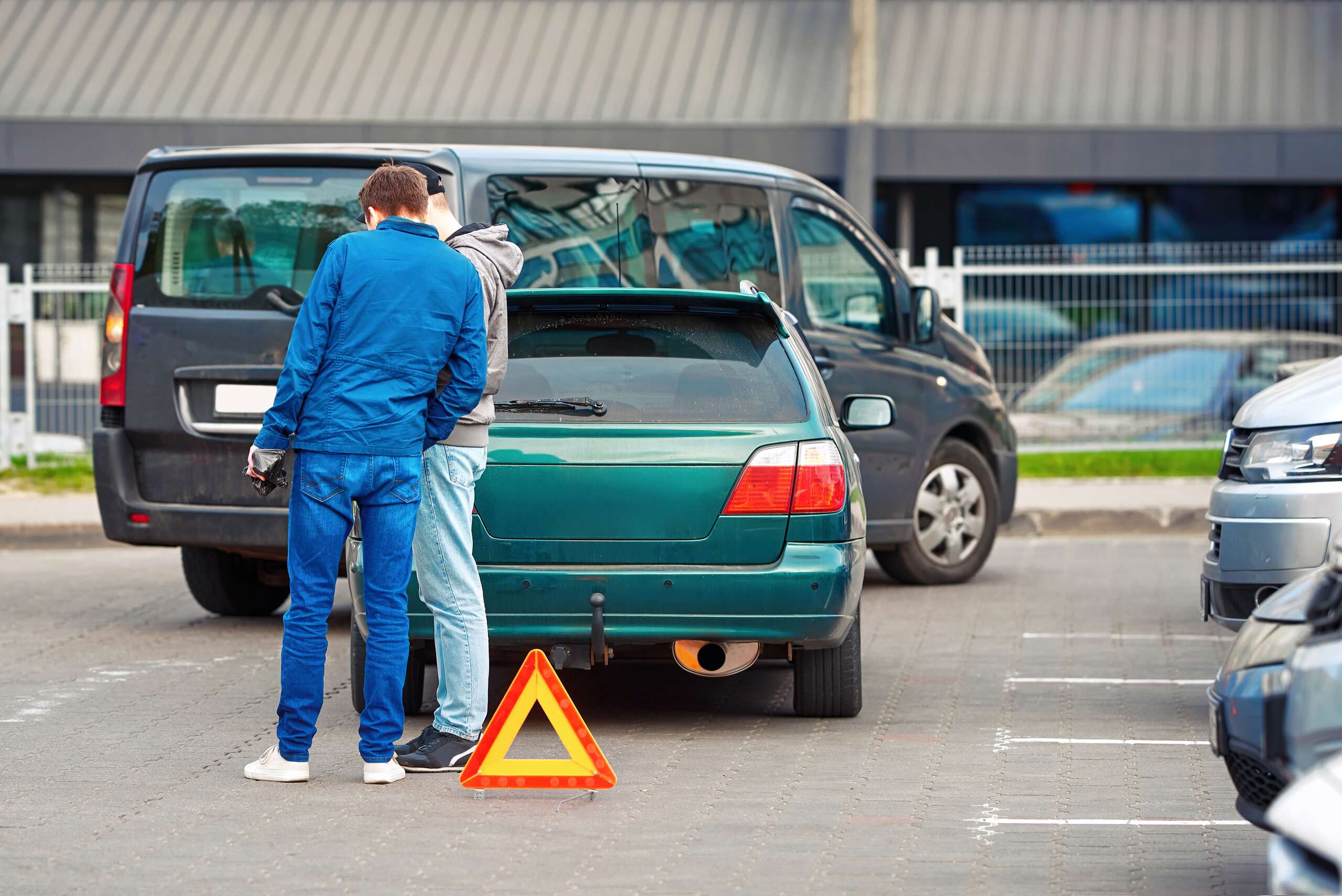
If you were injured in a shopping center lot near Fort Union Boulevard, sideswiped outside a grocery store on State Street, or struck while backing out of a space near 7200 South, you may be wondering who is responsible and how your claim works under Utah law.
These crashes are governed by different rules and liability standards than collisions on public roads, and proving fault can be more complicated than many people expect.
Parking lots may seem safe and low-risk, but they are one of the most common locations for vehicle collisions. The combination of pedestrians, reversing vehicles, tight lanes, and unclear right-of-way rules creates confusion. And because these crashes often occur on private property, many drivers assume that normal traffic laws do not apply.
That assumption is not entirely correct.
Let’s review how parking lot accidents are investigated in Midvale—and how liability is determined—to help you protect your health and your financial recovery after a parking lot collision.
Key Takeaways About Midvale Parking Lot Accidents
- Parking lot accidents are common in Midvale retail and commercial areas, especially along State Street and Fort Union Boulevard.
- Even though parking lots are often private property, Utah negligence laws still apply.
- Determining fault can be more complex due to unclear right-of-way rules and shared responsibility.
- Utah follows a modified comparative negligence rule with a 50% bar.
- Your Personal Injury Protection (PIP) coverage pays initial medical expenses.
- You generally have four years to file a personal injury lawsuit in Utah.
Why Are Parking Lot Accidents So Common in Midvale?
Midvale’s commercial corridors see heavy daily traffic. Retail centers, grocery stores, restaurants, and office complexes generate constant vehicle movement. Parking lots that experience frequent congestion, especially during weekends and holidays, include:
- State Street retail zones
- Fort Union Boulevard shopping centers
- 7200 South commercial areas
- I-215 access points
Unlike controlled intersections with traffic signals, parking lots rely heavily on informal right-of-way customs. Problems may arise when drivers are:
- Backing out of spaces simultaneously
- Cutting across rows to find shortcuts
- Looking for open spots instead of watching traffic
- Distracted by pedestrians
- Checking phones or navigation apps
Low speeds can reduce injury severity in some cases, but not always. Even at 10–20 mph, side impacts and pedestrian collisions can cause significant harm.
Do Traffic Laws Apply in Parking Lots?
One of the most common questions after a Midvale parking lot crash is whether “normal” traffic laws apply, especially when the other driver says, “It’s private property, so it doesn’t count.” That idea can create confusion, and it sometimes leads injured people to assume they have fewer rights or fewer options.
The short answer is: yes and no, depending on what you mean by “traffic laws.”
Why the Answer Is “Yes and No”
Most parking lots in Midvale—shopping centers, grocery stores, apartment complexes, office buildings—are privately owned. Because of that, certain traffic enforcement tools may work differently than they do on public roads.
For example:
- A police officer may not always issue the same type of traffic citation for a parking lot collision as they would for a crash on State Street.
- Some parking lots are not patrolled regularly, and officers may respond after an accident to document injuries, exchange information, or handle disputes rather than write tickets.
- Posted signs inside parking lots (like “Stop” or “Yield”) may not always be treated the same as official traffic-control devices on public roadways for citation purposes..
Even when parking lots are considered private property, that does not mean no rules apply. It mainly means that enforcement and citations can be less straightforward.
The Part That Matters Most for Your Injury Claim
Even when a crash happens in a privately owned parking lot, civil liability still applies. That means if someone’s carelessness caused your injuries, you can still pursue compensation through an insurance claim and, when necessary, through a lawsuit.
In civil injury cases, the main question is not “Was a ticket issued?” It’s whether the driver acted unreasonably and caused harm? That’s the foundation of negligence.
What “Negligence” Means in Plain English
Negligence occurs when a driver fails to use reasonable care under the circumstances. In a parking lot, reasonable care usually requires:
- Driving slowly enough to stop for sudden pedestrian movement
- Watching for vehicles backing out
- Yielding to through traffic in main lanes
- Following any posted directional arrows
- Staying alert instead of checking a phone or GPS
Parking lots are designed for frequent starts and stops and unpredictable movement. Drivers are expected to adjust for that reality.
Practical Examples in Midvale Parking Lots
On a typical day in Midvale, parking lot negligence might include:
- Backing out without looking and striking a vehicle traveling down the lane
- Cutting across rows to take a shortcut toward an exit and colliding with a car that had the right of way
- Speeding through a crowded lot near store entrances where pedestrians are walking between cars
- Pulling into a space too fast and hitting a pedestrian or a vehicle door
- Ignoring one-way arrows or posted stop signs and causing a side-impact collision
Even if no ticket is issued, insurance companies and courts can still determine fault based on these behaviors and other evidence.
What Drivers Still Must Do in Parking Lots
Drivers in parking lots must always:
- Maintain proper lookout (especially for pedestrians and backing vehicles)
- Yield when appropriate (particularly to vehicles already traveling in main lanes)
- Avoid distracted driving (phones, navigation apps, food, or even searching for parking spots)
- Drive at safe speeds for congestion and visibility conditions
If a driver fails to take these basic precautions, they can be held civilly responsible for the harm they cause.
Why a Lack of a Ticket Doesn’t End Your Case
A parking lot crash may not result in a citation for several reasons, including limited officer presence, unclear signage, or the property’s private nature. But a lack of a ticket is not a finding of “no fault.” Insurance companies often determine liability by reviewing:
- Photos of vehicle positions and damage
- Witness statements
- Surveillance footage
- Directional markings and signage
- Common right-of-way expectations in parking aisles
So even if law enforcement does not cite anyone, you may still be able to pursue a claim and establish that the other driver’s negligence caused your injuries.
If you were injured in a Midvale parking lot crash, document what happened and always seek medical care. Parking lot collisions may involve “different rules,” but they do not eliminate your right to seek accountability and compensation when someone else’s careless driving caused harm.
Who Has the Right of Way in a Parking Lot?
Unlike intersections controlled by stoplights, parking lot right-of-way rules are less clear-cut.
However, some general principles apply:
Main Lanes vs. Parking Aisles
Vehicles traveling in main driving lanes typically have the right of way over vehicles backing out of parking spaces. For example, if you were driving straight down a marked lane and another driver backed out without looking, they may bear primary responsibility.
Simultaneous Backing Accidents
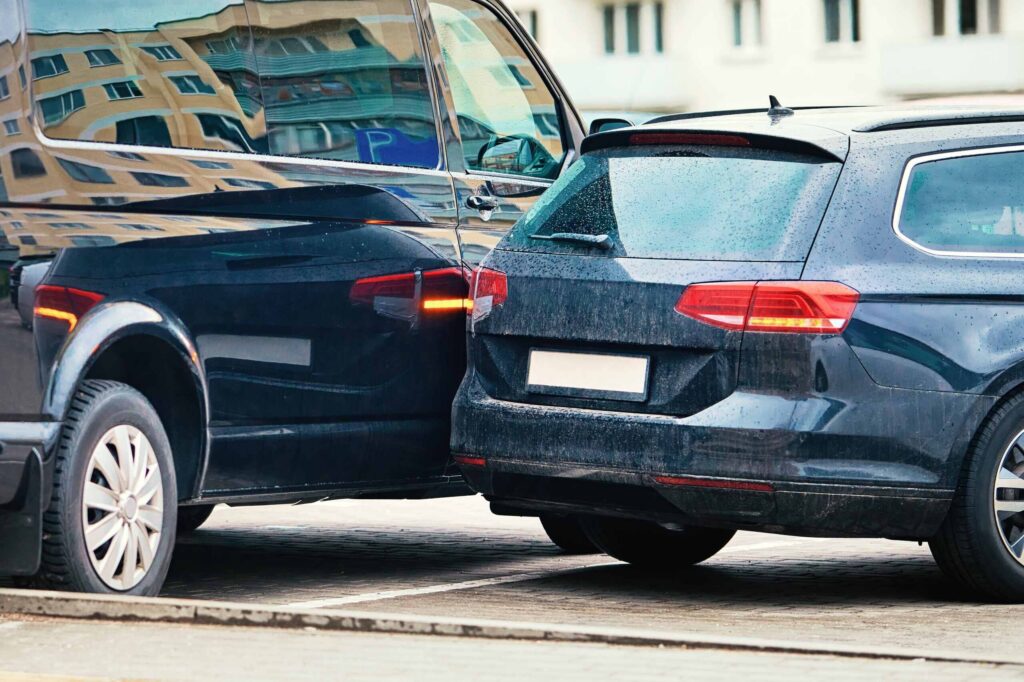
If two drivers back out at the same time and collide, fault may be shared. Insurance companies often allocate liability in these situations unless strong evidence shows that one driver was more negligent.
Stop Signs Within Parking Lots
Some parking lots include posted stop signs or yield signs. Failing to obey these can support a negligence claim.
Pedestrian Right of Way
Drivers must exercise heightened caution around pedestrians. Parking lots frequently involve foot traffic moving between lanes and vehicles. Because these rules rely heavily on reasonableness rather than strict statutes, solid evidence becomes especially important.
How Is Fault Determined After a Parking Lot Accident?
Determining liability in a Midvale parking lot accident often requires examining:
- Vehicle damage patterns
- Surveillance footage
- Witness statements
- Photographs of the scene
- Marked lane design
- Skid marks or impact points
Many commercial properties have surveillance cameras covering entrances and driving lanes. Acting quickly to preserve this footage can make a significant difference. Unlike highway crashes, parking lot accidents often lack official police reports, particularly if injuries are not immediately obvious. That can make documentation and video footage even more critical.
What If Both Drivers Share Fault?
Parking lot accidents frequently involve shared responsibility. This is where Utah’s comparative negligence rule becomes important.
What Is Utah’s Comparative Negligence Rule?
When multiple drivers contribute to a crash, Utah law provides a system for dividing responsibility. Utah follows a modified comparative negligence rule that includes a 50% bar.
This means:
- You can recover compensation from other responsible parties if you are less than 50% at fault.
- Your recovery is reduced by the percentage of fault allocated to you.
- If you are 50% or more responsible, you cannot recover damages.
In parking lot cases, insurance companies may try to shift blame by claiming:
- You were driving too fast for the conditions.
- You were not watching for backing vehicles.
- You failed to yield.
Clear evidence can prevent unfair fault allocation. An experienced parking lot accident lawyer can help you gather and preserve the evidence you’ll need to build a strong case.
Common Injuries in Midvale Parking Lot Accidents
Even at relatively low speeds, injuries can occur. Common injuries may include:
- Whiplash and neck strain
- Concussions
- Shoulder injuries
- Knee injuries
- Lower back pain
- Rib fractures
Pedestrian parking lot accidents can be particularly serious. A vehicle striking a pedestrian at even 10–15 mph can cause fractures, head trauma, and internal injuries.
If you were injured in a Midvale parking lot, seeking prompt medical evaluation is essential, even if symptoms seem minor at first. Some serious conditions don’t appear for days, and having proof of treatment at the time of the collision is strong proof that your harm was related to the crash.
How Does Insurance Work After a Parking Lot Crash?
Utah’s no-fault system applies even in parking lot accidents. Here are the basic rules:
What Does PIP Cover?
Utah requires drivers to carry at least $3,000 in Personal Injury Protection (PIP) coverage.
PIP pays for:
- Initial medical treatment costs
- Diagnostic testing
- A portion of lost wages
Once your medical bills exceed $3,000—or your injuries meet statutory thresholds—you may pursue a liability claim against the at-fault driver. If the other driver carries only minimum coverage and your injuries are serious, underinsured motorist (UIM) coverage may also come into play.
Can the Parking Lot Owner Be Held Responsible?
In some cases, liability may extend beyond the involved drivers. Property owners in Utah have a duty to maintain reasonably safe premises. Liability may arise if:
- The parking lot lacked proper signage.
- Lighting was inadequate at night.
- Potholes or hazards contributed to the crash.
- Traffic flow markings were confusing or missing.
These claims fall under premises liability laws. However, proving property owner liability requires demonstrating that the condition created an unreasonable risk and contributed directly to the accident.
How Long Do I Have to File an Injury Lawsuit in Utah?
Utah’s statute of limitations generally provides four years from the date of the accident to file a personal injury lawsuit. While four years may seem like a long time, parking lot crash evidence can disappear quickly. For example:
- Surveillance footage may be overwritten within days.
- Witnesses may be difficult to locate.
- Businesses may change management.
Partnering with a skilled injury attorney quickly can help strengthen your case. They can perform a thorough investigation and preserve important evidence to help protect your rights.
FAQs About Parking Lot Accident Claims in Midvale
Should I call the police after a parking lot accident in Midvale?
If injuries are involved, yes. A police report can help document the incident. Even in minor crashes, having official documentation can help resolve insurance disputes.
What if the other driver leaves the scene?
Call the police. Leaving the scene of an accident can have criminal consequences. If the driver cannot be located, your uninsured motorist (UM) coverage may apply.
What if I was partially backing out when the crash occurred?
Shared backing accidents often involve divided fault. Detailed documentation and evidence of vehicle positioning can influence how fault is allocated. As long as you were less than 50% responsible for the collision, you can pursue compensation from the other driver.
Let Parker & McConkie Stand Up for You After a Midvale Parking Lot Accident
Parking lot accidents may look minor on the surface, but the legal and insurance issues can become complicated quickly. Questions about right-of-way, shared fault, and insurance coverage often require careful legal analysis by a tenacious legal team.
At Parker & McConkie Injury Lawyers, we represent injured individuals throughout Midvale and across Utah. We understand how parking lot liability standards, comparative negligence rules, and Utah’s no-fault system intersect after these crashes.
While you focus on healing, let us stand up to the insurance companies and protect your claim. Call 833-STANDUP for a free consultation at our Midvale or nearby Utah office and learn what options may be available to help you move forward.