

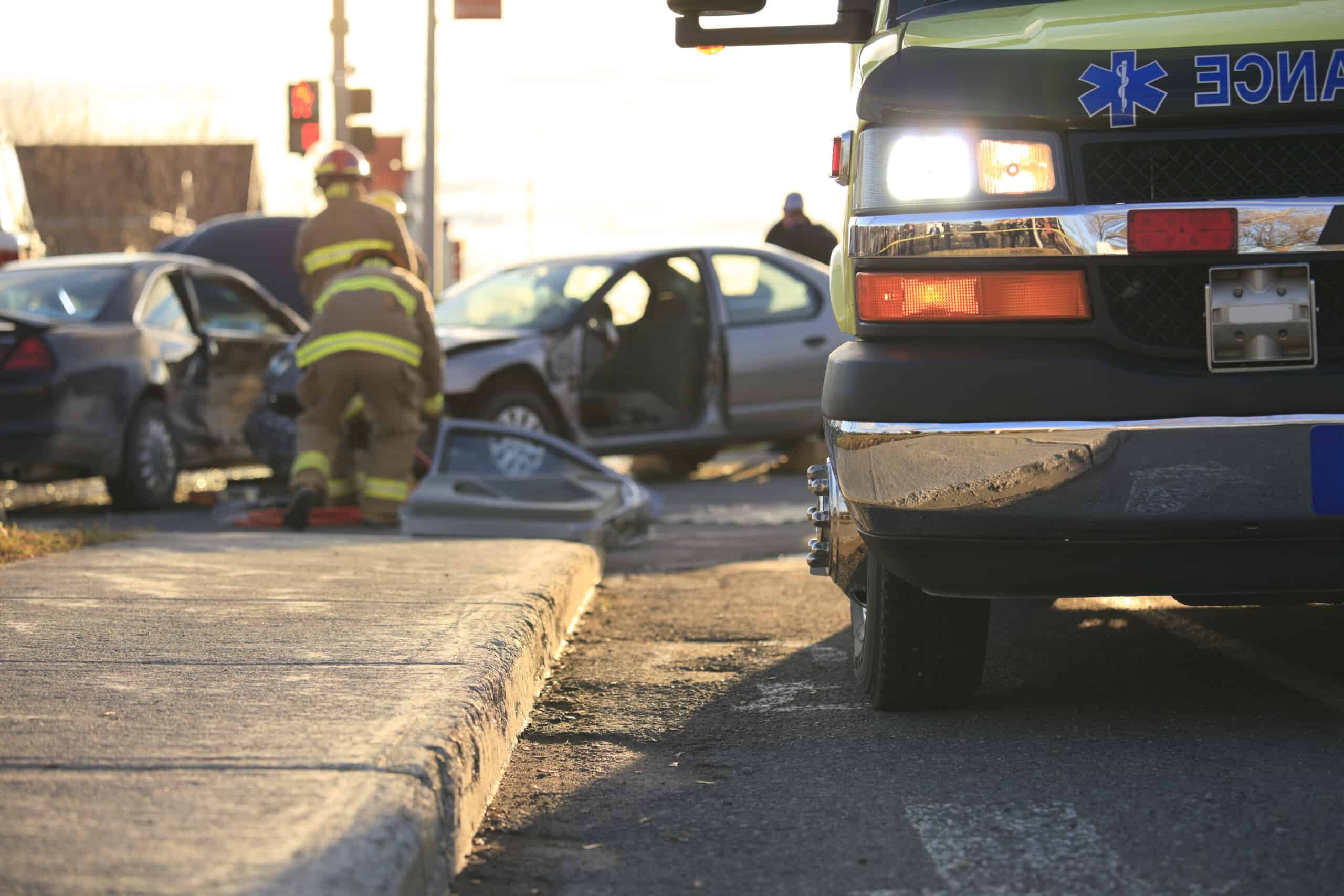
You just had a car accident in Utah. Your heart is racing, you’re shaken, and you need to know what to do right now. The decisions you make in the next few minutes and hours affect your health, your legal rights, and your ability to recover fair compensation.
This guide walks you through every step—from ensuring safety at the scene through insurance claims and legal considerations. Utah has specific laws about accident reporting, insurance, and liability. Following these steps protects you from costly mistakes that could harm your claim later.
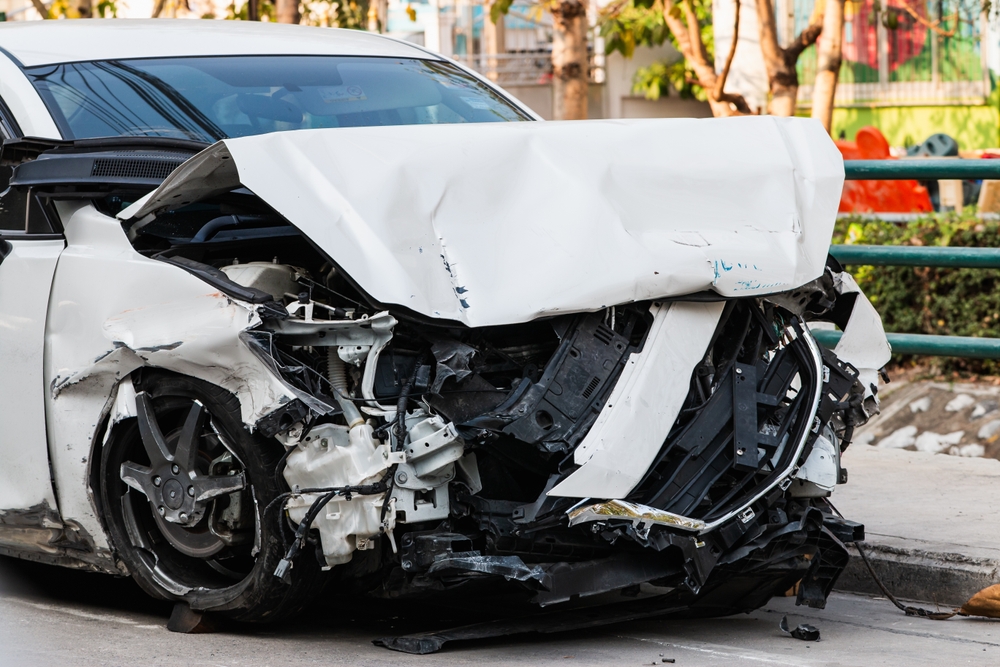
Key Takeaways for Utah Drivers After Car Accidents
- Report the accident to law enforcement immediately if there’s any injury, death, or property damage exceeding $2,500; you must also file a crash report with the Utah Department of Public Safety within 10 days of first knowledge of the accident when reporting is required.
- Your own insurance pays medical bills first through Personal Injury Protection (PIP) coverage of at least $3,000—though this minimum may not cover serious injuries—and PIP benefits must be exhausted before pursuing third-party claims.
- Never admit fault at the scene; Utah’s modified comparative negligence law means you can recover damages only if your fault is less than 50%, and your recovery is reduced proportionally by your fault percentage.
- Many accident injuries appear 24-48 hours later due to adrenaline—see a doctor even if you feel fine in order to document injuries early.
At the Accident Scene: Immediate Actions
The moments immediately following a crash require calm, methodical action even when you feel panicked. These steps protect everyone’s safety and preserve your legal rights under Utah law.
Ensure Everyone’s Safety First
Stop your vehicle immediately and turn on the hazard lights. Leaving an accident scene constitutes a hit-and-run under Utah Code § 41-6a-401, a criminal offense that carries criminal penalties, including possible license suspension and jail time.
Check yourself and passengers for injuries. If anyone is injured, call 911 immediately. If vehicles are drivable and it’s safe to do so, move them to the shoulder or a parking lot to avoid blocking traffic—this is especially important on busy roads like I-15.
Call Police When Required by Utah Law
Utah Code § 41-6a-402 requires drivers to report accidents to law enforcement immediately if there is any injury, death, or property damage exceeding $2,500. Failure to report when required is a Class B misdemeanor under Utah law with potential license suspension, fines, and jail time. Officers typically create the official crash report that becomes critical evidence if fault is disputed later.
Call 911 or local law enforcement if the accident involved any injury or death, property damage exceeding $2,500, hit-and-run situations, suspected impaired driving, disputes about what happened, or if the other driver appears uninsured. Note that Utah Code § 41-6a-404 strictly regulates the confidentiality and use of accident reports, limiting how they can be used in court to protect personal information.
Exchange Information With All Involved Parties
Obtain complete information from every driver involved:
- Full name
- Phone number
- Home address
- Insurance company name
- Policy number
- Driver’s license number
- License plate number
- Vehicle identification details, including make, model, year, and color.
Also document passengers in all vehicles and any witnesses who saw the accident. Get witness names and phone numbers—their independent accounts become valuable if fault is disputed. Note weather and road conditions, time of day, lighting, and traffic controls.
What to Say and What to Avoid
Speak calmly and politely with other drivers, but guard your words carefully. Ask if everyone is okay and exchange insurance information professionally. However, never say “I’m sorry, this was my fault”—such statements constitute admissions of liability that insurance companies may use against you under Utah Code § 78B-5-818.
Don’t provide detailed explanations of what happened. Don’t admit to violations like texting or speeding. Don’t state definitively that you’re not hurt if you’re uncertain—adrenaline masks pain and injuries often appear hours later.
Document Everything Thoroughly
Take extensive photographs from multiple angles. Photograph all vehicles from four sides, showing specific damage points in close-up. Capture vehicle positions, skid marks, debris, traffic signs and signals, street signs for location, and the overall scene for context.
Write down your memory of exactly what happened while it’s fresh—the direction each vehicle was traveling, approximate speeds, what you saw and heard, and any statements the other driver made. This documentation becomes critical evidence under Utah’s comparative negligence rules.
After Leaving the Scene: Next Steps
Once you leave the accident scene, several time-sensitive actions require your immediate attention to protect your health and preserve your legal rights.
Seek Medical Attention Immediately
See a doctor within 24 hours even if you feel fine. Adrenaline released during traumatic events masks pain for hours or even days. Whiplash symptoms typically appear 24-48 hours after rear-end collisions. Insurance companies routinely use the lack of immediate treatment to argue injuries weren’t caused by the accident.
Go to an emergency room immediately if you experienced any loss of consciousness, head injury, neck or back pain with numbness, chest pain, difficulty breathing, or severe pain anywhere. Urgent care works well for moderate pain without severe symptoms. Your primary care doctor is appropriate for mild symptoms that develop the next day.
Tell medical providers all symptoms, even minor ones. Explain how the accident happened and what you felt during impact. Follow all treatment recommendations as directed by your providers. Utah’s Personal Injury Protection coverage of at least $3,000 under Utah Code § 31A-22-306 pays these medical bills first regardless of fault, though this minimum may not cover serious injuries and most policies offer higher limits.
File Required Reports With Utah Authorities
Utah law requires you to file a crash report with the Utah Department of Public Safety within 10 days of first knowledge of the accident when the accident involved injury, death, or property damage exceeding $2,500 under Utah Code § 41-6a-402. This is separate from the police report officers create at the scene.
File your crash report online through the Utah Department of Public Safety website. The form requires driver information for all parties, vehicle details, insurance information, accident description, and a diagram of how the accident occurred. Both drivers must file separately. Missing this deadline can result in driver’s license suspension.
You must also notify your insurance company promptly as required by your individual policy language, typically within 24-72 hours, though specific timing varies among insurers. Delays can jeopardize coverage. File your PIP claim immediately so medical bills get paid as they arrive.
Handle Insurance Companies Carefully
Your own insurance company needs complete, honest information to process your claim. You have a duty to cooperate under your policy terms.
The other driver’s insurance company will contact you quickly—often the same day. The adjuster will sound friendly, saying they “just need your side of the story.” This is where many accident victims make critical mistakes.
Do not give a recorded statement to the other driver’s insurance without consulting an attorney first. Do not sign medical release forms. Do not provide detailed descriptions of the accident or your injuries. Do not admit any fault. Do not accept quick settlement offers before you understand the full extent of your injuries.
Understanding Your Legal Rights in Utah
Utah’s insurance and liability laws create unique considerations that affect how you handle your accident claim and what compensation you may recover.
Utah’s No-Fault Insurance System
Utah operates under a no-fault insurance system governed by Utah Code §§ 31A-22-302 through 309. Your own insurance company pays your medical expenses and a portion of lost wages through Personal Injury Protection coverage, regardless of who caused the accident. Utah requires minimum PIP coverage of $3,000 for medical expenses, though this minimum may not be sufficient for serious injuries and most policies provide higher limits.
You must exhaust your PIP benefits before pursuing additional compensation from the at-fault driver. You may pursue a third-party claim if your injuries meet Utah’s serious injury threshold defined in Utah Code § 31A-22-309. This threshold includes death, dismemberment, permanent disability or disfigurement, or medical expenses exceeding PIP minimums. Most accidents involving significant injuries clear this threshold.
Utah’s Modified Comparative Negligence Rule
Utah follows modified comparative negligence under Utah Code § 78B-5-818. You can recover damages only if your fault is less than 50%—recovery is barred at 50% or greater fault. When you’re less than 50% at fault, your recovery is reduced proportionally by your fault percentage. If the other driver is 70% at fault and you’re 30% at fault, you recover 70% of your damages.
Insurance companies may argue comparative fault to reduce payouts. Any statement you made at the scene about fault affects these determinations. This is why guarding your words carefully matters so much.
Important Legal Deadlines
You have four years from the accident date to file a personal injury lawsuit under Utah Code § 78B-2-307. This statute of limitations is strict, and waiting too long results in forfeiture of your claim entirely. Acting much sooner preserves evidence and witness testimony.
If your accident involved a government vehicle or occurred on government property, notice deadlines can be as short as 90 days under the Utah Governmental Immunity Act (Utah Code § 63G-7-401 et seq.). These deadlines are jurisdictional, and missing them bars your claim entirely. Contact an attorney immediately if a governmental entity is involved.
When You Need an Attorney
Hire an attorney if you suffered injuries requiring hospitalization, permanent injuries, medical bills exceeding $5,000, or lost significant work time. Legal representation becomes critical when the other driver disputes fault, multiple vehicles were involved, commercial vehicles were involved, or the accident was a hit-and-run.
You also need an attorney when dealing with uninsured or underinsured drivers, when insurance companies deny claims or make lowball offers, or when your injuries are still ongoing. Most car accident attorneys work on contingency, meaning you pay no attorney fees unless they recover compensation for you.
Common Mistakes That Harm Your Claim
Certain actions in the aftermath of accidents significantly damage claims, reducing compensation or eliminating it entirely. Avoiding these mistakes protects your rights.
Admitting Fault or Apologizing
Saying “I’m sorry, this was my fault” at the accident scene constitutes an admission of liability that insurance companies may use against you under Utah’s comparative negligence system. Say “Are you okay?” instead of apologizing for the accident.
Not Seeing a Doctor Immediately
Insurance companies interpret a lack of immediate medical treatment as evidence that injuries aren’t serious. Even when adrenaline is masking pain, seeing a doctor within 24 hours documents that injuries resulted from the accident.
Posting on Social Media
Insurance companies monitor social media accounts. Photos showing you smiling become “evidence” that you’re not really injured. Posts saying “just had an accident but I’m fine” are used to deny claims. Set all accounts to private and don’t post about your accident.
Giving Recorded Statements
The other driver’s insurance adjuster sounds friendly but their questions are designed to elicit responses that help their case. “How fast were you going?” is asked specifically to establish your comparative fault. Politely decline recorded statements until you’ve consulted an attorney.
Accepting Quick Settlements
Settlement offers made within days of accidents come before you understand injury severity. Whiplash and soft tissue injuries often don’t appear until 24-48 hours later. Once you sign a settlement release, you cannot seek additional compensation even if injuries worsen.

FAQ About What to Do After Car Accidents in Utah
Do I Have to Call Police for Minor Accidents in Utah?
Utah Code § 41-6a-402 requires reporting accidents to law enforcement immediately if there’s any injury, death, or property damage exceeding $2,500. Failure to report when required is a Class B misdemeanor. Even when not legally required, calling police provides documentation that prevents conflicting stories later.
What If the Other Driver Doesn’t Have Insurance?
Get their information anyway, including name, address, phone number, driver’s license number, and license plate. Report the accident to the police since driving uninsured violates Utah law. File a claim with your uninsured motorist coverage under Utah Code § 31A-22-305.
How Long Do I Have to File the Crash Report in Utah?
You have 10 days from first knowledge of the accident to file a crash report with the Utah Department of Public Safety if the accident involved injury, death, or property damage exceeding $2,500. Also report the accident to your insurance company within the timeframe specified in your policy, typically 24-72 hours. If a government entity is involved, notice deadlines can be as short as 90 days.
What If I Feel Fine Now But Hurt Later?
Delayed symptoms are common and medically expected. Adrenaline masks pain for hours or even days. Whiplash typically appears 24-48 hours after impact. See a doctor within 24 hours regardless of how you feel. You remain within your rights to file claims for injuries that appear later.
Can I Leave the Scene If There’s No Visible Damage?
Never leave an accident scene without exchanging information with other drivers. Leaving before the police arrive when notification is required constitutes a hit-and-run. Internal damage may not be immediately visible. Exchange information, document the scene, file the required crash report if damage exceeds $2,500, and report to your insurance company.
Protect Your Rights After a Utah Car Accident
The steps you take immediately after a car accident in Utah directly affect your health outcomes and your ability to recover fair compensation. From ensuring safety at the scene to navigating Utah’s no-fault insurance system and strict reporting requirements, informed action protects your rights.
Parker & McConkie Injury Lawyers represents car accident victims throughout Utah. We understand Utah’s no-fault system, modified comparative negligence rules, and insurance company tactics. We handle accident reporting, PIP claims, insurance communications, evidence gathering, and negotiations to pursue the compensation you need.
Call (801) 851-1202 or schedule a free consultation online to discuss your accident. We work on a contingency fee basis—you pay no attorney fees unless we recover compensation for you. Case costs might apply.