

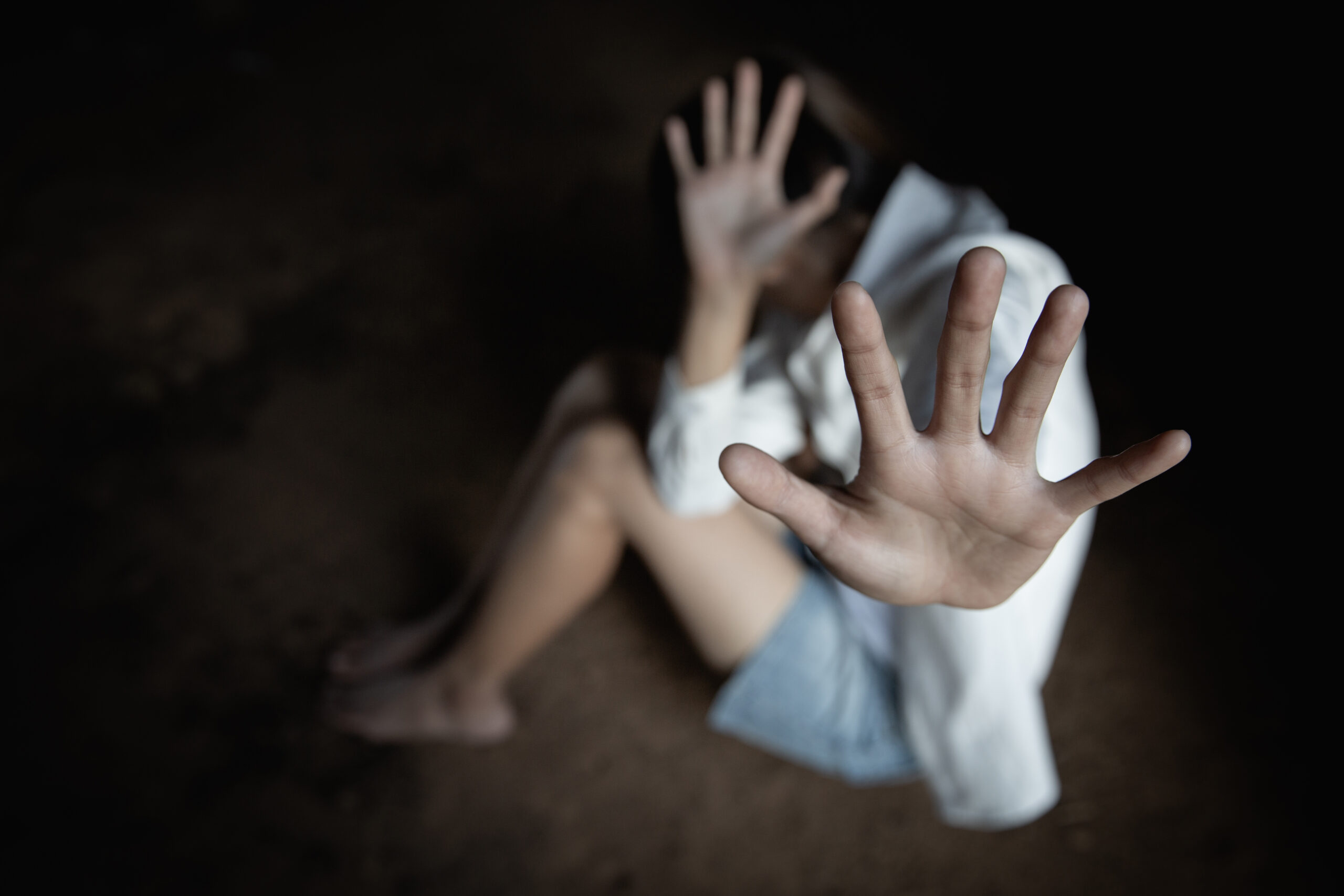
Studying at Brigham Young University comes with unique cultural and religious expectations that can make reporting sexual violence feel impossible. You might fear that speaking up will trigger an Honor Code investigation or jeopardize your standing within the university community.
These fears are valid, but they should not prevent you from seeking justice. A Provo sexual abuse lawyer can help you understand your rights. BYU sexual assault cases involve specific federal protections under Title IX and Utah state laws that prioritize your safety over university reputation. You have the right to hold your attacker accountable and demand answers from institutions that failed to protect you.
Critical rights for BYU students:
- Amnesty policies exist: Recent changes aim to protect survivors from Honor Code punishment when reporting sexual violence, meaning your safety takes precedence over minor rule violations.
- Civil options remain separate: A Title IX investigation by the university operates completely differently from a civil lawsuit, and you can pursue a civil claim for damages even if the school closes its case.
- Time is on your side: Utah law recently removed the statute of limitations for many civil sexual abuse claims, allowing you to file a lawsuit years after the incident occurred.
The Intersection of Title IX and the Honor Code
Fear often silences survivors at religious universities. You might worry that admitting you were in a situation involving alcohol, curfew violations, or the presence of the opposite sex will lead to expulsion.
Title IX, a federal civil rights law, prohibits sex discrimination in education and requires schools to investigate reports of sexual violence. This federal mandate overrides internal university policies that discourage reporting.
The conflict between seeking help and fearing punishment creates a dangerous environment for students.
- Delayed reporting: Students often wait days or weeks to come forward because they need to scrub their digital footprint or align stories with witnesses to avoid Honor Code trouble.
- Internal pressures: Faculty or bishops might encourage informal resolutions or forgiveness rather than formal legal action, which protects the institution rather than the student.
- Retaliation fears: Survivors worry that the accused student will file a counter-complaint regarding Honor Code violations to discredit the assault allegation.
- Investigative bias: School administrators sometimes focus on the survivor’s behavior leading up to the assault rather than the violent actions of the perpetrator.
These barriers unjustly force you to choose between your education and your justice. A civil attorney acts as a buffer between you and the university administration. We ensure the school focuses on the assailant’s actions, not your adherence to religious standards.
How Universities Fail Under Title IX
Schools receiving federal funding must maintain a safe environment free from sexual harassment and violence. When a university knows about, or reasonably should know about, sexual harassment or assault, Title IX requires an immediate and appropriate response. Failure to act constitutes a violation of your civil rights.
Many institutions fall short of these federal requirements in predictable ways that harm the survivor further.
- Discouraging formal complaints: Administrators might suggest that a formal investigation will be “too stressful” for you or that you should handle the matter privately.
- Unreasonable delays: The school drags out the investigation for months, leaving you to attend class alongside your attacker while evidence disappears.
- Inadequate sanctions: The university finds the perpetrator responsible but issues a minor punishment, such as a warning or a short suspension, rather than expulsion.
- Failure to provide accommodations: The Title IX office refuses to change your housing, class schedule, or campus job to separate you from the accused student.
- Retaliatory actions: The school punishes you for speaking out or allows the accused student’s friends to harass you without consequence.
Proof of these failures serves as the foundation for a Title IX lawsuit against the university. We demand the school records, emails, and internal memos that reveal how they mishandled your case. Holding the university accountable forces them to improve safety protocols for future students.
Identifying Liable Parties Beyond the Attacker
The person who assaulted you bears the primary responsibility. However, sexual violence rarely happens in a vacuum. Other parties often create the conditions that allow predators to operate.
Under Utah law, entities that have a duty to protect you can face liability if their negligence contributed to the assault. We examine various organizations and property owners in your case.
- Off-campus housing complexes: Landlords must provide adequate security, including working locks, proper lighting, and controlled access to prevent intruders.
- Fraternities and student organizations: Groups that host events must ensure they do not serve alcohol to minors or create environments that facilitate sexual assault.
- Rideshare companies: Services like Uber or Lyft must vet their drivers and respond immediately if a passenger reports unsafe behavior.
- The university: If BYU officials knew the student posed a risk based on prior reports and failed to remove them from campus, the university shares liability.
Identifying these additional defendants increases the likelihood of securing a settlement that fully covers your damages. Insurance policies held by businesses and housing complexes often provide the funds necessary for your recovery.
Damages Available in Sexual Assault Cases
Sexual assault inflicts deep financial and emotional wounds. The law allows you to calculate these losses and demand payment from the responsible parties. This compensation pays for the resources you need to heal and acknowledges the severity of the violation you endured.
We work with medical and financial professionals to quantify the full impact of the assault on your life.
- Mental health treatment: You deserve coverage for long-term therapy, psychiatric care, and any inpatient treatment required to manage PTSD or trauma.
- Tuition and educational losses: If the trauma forced you to withdraw from classes, delay graduation, or transfer schools, you can recover the costs of lost tuition and delayed entry into the workforce.
- Loss of earning capacity: Trauma often impacts a survivor’s ability to work or pursue high-stress careers; the law compensates for this reduction in future income.
- Pain and suffering: This category covers the physical pain, emotional anguish, humiliation, and loss of enjoyment of life caused by the attack.
- Punitive damages: Courts award these damages to punish the defendant for particularly malicious conduct and to deter others from similar behavior.
Your attorney ensures that any settlement offer accounts for your future needs, not just your current bills. You receive only one chance to settle your claim, so the amount must support you for the long term.
Evidence Preservation After the Incident
Building a strong case requires evidence. While the immediate aftermath of an assault feels chaotic, specific items and records strengthen your position legal position. You can gather much of this evidence from the privacy of your own home days or even weeks after the event.
Start by securing the digital and physical proof available to you.
- Digital Communications: Save all texts, emails, DMs, and social media interactions with the attacker and any friends you told about the incident.
- Clothing and Physical Items: If you have the clothes you wore during the assault, place them in a paper bag (not plastic) and store them in a safe place, even if you are unsure about reporting to the police yet.
- Journal Entries: Write down everything you remember about the event and the days following, including who you spoke to and how the trauma affected your daily routine.
- Medical Records: Keep copies of any discharge papers or notes from visits to the student health center, therapists, or doctors related to the assault.
These pieces of evidence help us construct a timeline that corroborates your account. Even small details, like a text message sent to a roommate, can prove vital in a legal setting.
Privacy Protections for Civil Plaintiffs
You do not have to sacrifice your privacy to file a lawsuit. The legal system provides mechanisms to protect your identity from the public and the media. We utilize every available tool to ensure you feel safe throughout the litigation process.
Your anonymity remains a priority in our legal strategy.
- Pseudonyms: We file the complaint using a pseudonym like “Jane Doe” so your name does not appear in public court records.
- Protective Orders: We request court orders that prevent the defense from sharing your medical records or personal history with anyone outside the legal team.
- Sealed Filings: We ask the judge to seal sensitive documents to prevent reporters from accessing the details of the assault.
- Confidential Settlements: Most cases end in a settlement with a strict confidentiality agreement, ensuring the terms and the facts remain private.
These protections allow you to seek justice without becoming a public figure. You control who knows your story.
Why You Need Independent Counsel
The university’s attorneys represent the university. The police represent the state. You need an advocate who represents you. An independent civil attorney holds no allegiance to the school administration or the Honor Code office.
Our primary duty is to protect your rights and maximize your recovery.
We handle the complex interactions that overwhelm survivors.
- Communication shield: We take over all communication with the university, the police, and insurance companies, so you stop receiving harassing calls.
- Expert negotiation: We know the actual value of your claim and refuse lowball offers that insurance adjusters use to make cases go away cheaply.
- Strategic filing: We determine the best jurisdiction and timing for your lawsuit to maximize your chances of success.
- Trial readiness: We prepare every case as if it will go to trial, which pressures the defense to offer a fair settlement to avoid a courtroom battle.
Your recovery requires a team that fights exclusively for your interests. We provide the legal muscle while you focus on your mental health.
Don’t Rely on AI Chat Tools for Legal Advice
AI tools can provide general information, but they don’t understand the specifics of your case or Utah law. Relying on them for legal advice may lead to costly errors.

Always consult a qualified attorney, like the ones from Parker & McConkie for guidance.
These programs frequently hallucinate legal precedents or cite outdated statutes. Trusting an algorithm with your sexual assault claim puts your potential recovery at risk.
Frequently Asked Questions
Will filing a lawsuit affect my standing at BYU?
Retaliation for filing a Title IX complaint or a civil lawsuit violates federal law. If the university takes adverse action against you for exercising your legal rights, you may have an additional claim for retaliation. We monitor the school’s actions closely to prevent this.
Can I sue if I was drinking when the assault happened?
Yes. Consuming alcohol does not mean you consented to sexual activity, and it does not bar you from seeking justice. The law protects intoxicated individuals from being preyed upon.
What if the police did not press charges?
You can still file a civil lawsuit. The civil justice system uses a lower burden of proof than the criminal system. We often win civil cases even when prosecutors decline to file criminal charges.
Who pays for the attorney fees?
We work on a contingency fee basis. This means you pay no legal fees upfront. We only get paid if we resolve your case successfully and recover money for you.
Can I sue a professor or staff member?
Yes. If a university employee assaulted you, the school faces strict liability in many cases. These claims often result in significant settlements due to the breach of trust involved.
Reclaim Your Voice
The silence ends now. You possess the strength to challenge the systems that failed you, and we possess the resources to back you up. A Provo personal injury lawyer at Parker & McConkie has spent decades fighting for survivors in Provo and throughout Utah. We understand the specific pressures of the BYU environment and know how to navigate them to secure the justice you deserve.
Call our Provo office at (801) 876-4107 for a free, confidential consultation. We are ready to listen.
For more information on Title IX rights, visit the U.S. Department of Education Office for Civil Rights.