
Most people picture a car crash when they think about a serious injury. A defective product is different. You did nothing wrong. You used the ladder, the space heater, the power tool, or the medication the way anyone would, and it failed anyway.
A Spokane product liability lawyer at Parker & McConkie helps injured people in Spokane and across Washington hold manufacturers, distributors, and sellers accountable when a dangerous product causes real harm. Our Spokane office handles defective product injury claims from start to finish, and consultations are free.
If a product hurts you or someone in your family, you have options. Call our Spokane team at +1 (509) 374-3111 to talk through what happened.
Do You Have a Product Lbiability Case in Spokane?
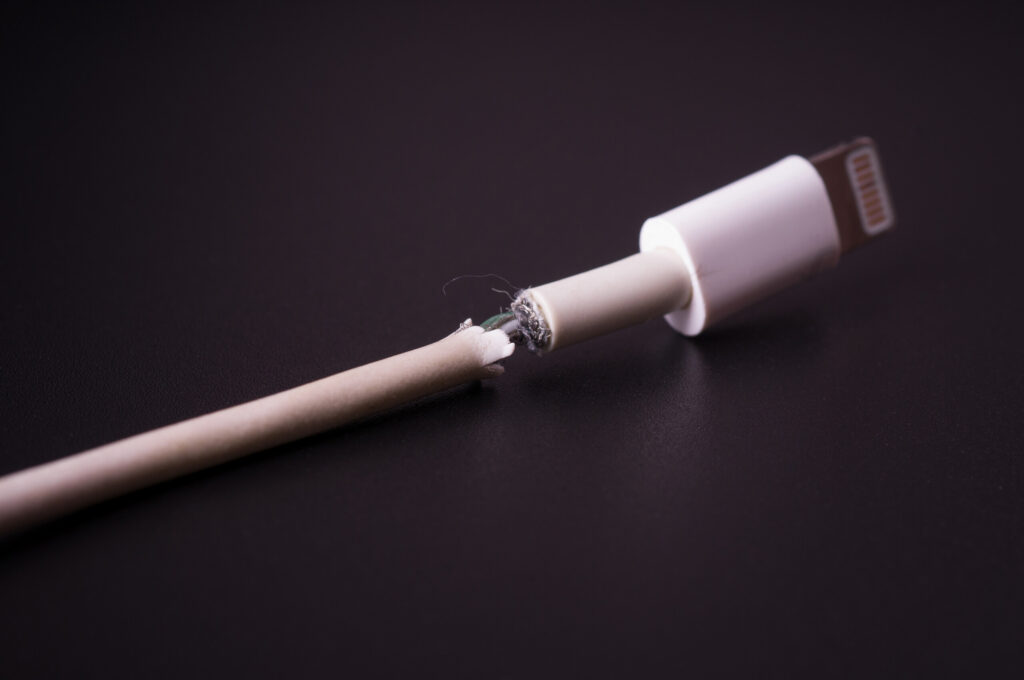
You likely have a case if a product was unreasonably dangerous when it left the company that made or sold it, and that danger caused your injury. You do not need to be a lawyer to spot the warning signs. If a product broke, overheated, tipped, shattered, or failed in a way it never should have during normal use, that is worth a closer look.
Washington law lets injured people bring these claims under the Washington Product Liability Act, often shortened to WPLA. You can read the full framework in the state's statute on product liability actions (RCW 7.72). The short version is this: the people who profit from putting a product into your hands carry a legal duty to make sure it is reasonably safe.
Our Spokane attorneys look at how the product was designed, how it was built, and what warnings came with it. We work with engineers and safety experts to show exactly where it went wrong.
Who Is Responsible When a Defective Product Injures Someone?
More than one company can be on the hook, and that is often the difference between a small settlement and a full recovery. Liability can reach the manufacturer that designed the item, the company that assembled it, the wholesaler that moved it, and the retailer that sold it to you.
This matters in real cases. A manufacturer may be based overseas and hard to reach, but the distributor and the local seller may still answer for the harm. Part of our job is tracing the chain of distribution, meaning the path a product travels from the factory to your home, and naming every party that shares the blame.
We have handled injury claims across Washington, and we know how these companies respond. They hire defense teams quickly. Building your case early, before evidence disappears, protects what you are owed.
Injured by something you trusted? Our Spokane product liability lawyers will review your claim at no cost.
Do You Have to Prove the Company Was Careless?
No, and this surprises most people. In many Washington product cases you do not have to prove the manufacturer was sloppy or careless. You have to prove the product itself was not reasonably safe and that it caused your injury. Lawyers call this strict liability, which simply means the focus is on the product, not on whether the company meant to cut corners.
That is a meaningful advantage for injured people. A company cannot escape responsibility just by saying it followed its usual routine. If the design was dangerous or the item left the factory flawed, the law looks at the result.
There are still things you must show, and the defense will fight on causation, meaning the link between the defect and your harm. That is where preserving the actual product, the packaging, and your medical records becomes critical.
Discover the four key elements of legal negligence and learn how proving fault can make or break your injury claim.
The Three Types of Product Defects
Most defective product claims fall into three categories. Knowing which one fits your situation shapes the entire case.
| Defect type | What went wrong | Common example |
|---|---|---|
| Design defect | The product was dangerous by design, before it was ever built | A vehicle that rolls over too easily |
| Manufacturing defect | The design was sound, but the item was built wrong | A cracked weld or a contaminated batch |
| Warning defect | The maker failed to warn about a real risk | A medication that hides a known side effect |
Design defects
A design defect means the product was dangerous before it was ever built, because the plan behind it was flawed. Every unit is affected, not just yours. A common example is a vehicle that rolls over too easily or a tool with no safety guard where one clearly belonged.
Manufacturing defects
A manufacturing defect happens when the design was fine but something went wrong during production. Think of a cracked weld, a contaminated batch of medication, or a missing bolt. Here your specific unit came out wrong even though others may be safe.
Warning and labeling defects
A warning defect, sometimes called a marketing defect, means the company failed to tell you about a real risk or how to use the product safely. If a chemical needed a hazard warning it did not carry, or a medication hid a known side effect, that gap can support a claim.
Federal regulators like the Consumer Product Safety Commission (CPSC), the agency that tracks dangerous consumer goods, issue recalls when products prove unsafe. You can search active recalls at the CPSC's official recall database. A recall can help your case, but you do not need one to file.
What Kinds of Products Lead to Injury Claims?
Almost anything can be dangerous when it is poorly designed or badly built, but some categories show up far more often than others. Knowing where these injuries come from helps you recognize a potential claim.
Our Spokane attorneys regularly see cases involving:
- Auto parts and tires, including defective airbags, seatbelts, and brakes
- Medical devices and prescription drugs that carry hidden risks
- Household appliances and power tools that overheat, shatter, or lack basic guards
- Industrial and farm equipment, a real concern across eastern Washington's agricultural and manufacturing economy
- Children's products, from car seats to toys with choking or fire hazards
If a product in one of these categories injured you, it is worth asking whether a defect, rather than plain bad luck, was the cause. That question is not always easy to answer on your own, and it often takes an expert eye. We help you find out at no cost.
We help everyday people stand up for What's Right.
How Long Do You Have to File a Product Liability Claim in Washington?
In most Washington product liability cases you have three years from the date you discovered, or reasonably should have discovered, both the harm and its cause. That discovery rule matters because some injuries, like those from a slow chemical exposure or a defective medical device, do not show up right away.
Washington also uses a "useful safe life" rule. Under RCW 7.72.060, if the harm happens more than twelve years after the product was delivered, the law presumes the product had outlived its safe life. That presumption can be challenged, but it makes acting promptly important.
Deadlines in these cases can be shorter or longer depending on the facts, so do not guess. One free call to our Spokane office tells you where you stand.
Compensation for a Defective Product Injury
You can recover the costs the injury forced on you plus the losses that are harder to put a number on. A strong claim accounts for both the bills you can see and the future you did not choose.
Compensation in a Spokane product liability case often includes:
- Past and future medical care, including surgery, rehabilitation, and assistive devices
- Lost wages and reduced earning ability if you cannot return to the same work
- Pain, physical limitation, and the daily impact on your life
- Disfigurement or permanent scarring, which is common in burn and machinery cases
Serious product injuries, including burns, crush injuries, and traumatic brain injury (TBI), meaning a blow or jolt that disrupts normal brain function, can require care that lasts for years. We build claims that look forward, not just at today's receipts.
Why Work With Our Spokane Product Liability Lawyers
We have recovered significant results for injured clients, including a product liability recovery involving an auto manufacturer. Past results never guarantee a future outcome, but they show we are willing to take on large companies and their insurers rather than push for a quick, low settlement.
Our attorneys handle these claims across Washington, and we know Spokane County. We coordinate with local hospitals and treating doctors, we preserve the physical evidence early, and we bring in the engineers and medical experts who make a defect clear to an insurer or a jury. When a case belongs in Spokane County Superior Court, we are ready to try it.
You also never pay us out of pocket. We work on a contingency fee, which means our fee comes only from a recovery we win for you. If there is no recovery, you owe us no attorney fee.

Frequently Asked Questions
How much does a Spokane product liability lawyer cost?
Nothing upfront. We take defective product cases on contingency, so you pay no attorney fee unless we recover money for you. The first consultation is free, and we cover the case expenses as we go. That structure lets injured people take on manufacturers they could never afford to fight alone.
Do I have a case if I was partly at fault for my injury?
Possibly, yes. Washington follows pure comparative negligence, which means your compensation is reduced by your share of fault but is not erased even if you were mostly responsible. A defense claim that you misused the product is common, and it is often overstated. Let us evaluate it before you walk away.
How long do product liability cases take in Washington?
It depends on the injury and how hard the company fights. Some claims resolve in several months through negotiation, while cases involving serious harm or disputed defects can take a year or more, especially if they head toward trial. We move as efficiently as the facts allow and keep you updated at each stage.
What if I am not sure the product was actually defective?
That is exactly what a free case review is for. Many people are not certain whether a failure was a defect or an accident, and that judgment call often requires an engineer or safety expert. We investigate before you commit to anything, so you can make an informed decision.
Can I sue if the product that hurt me has been recalled?
Yes. A recall does not replace your injury claim, and it does not automatically pay your bills. A recall can actually strengthen your case because it shows the company recognized a danger. You can still pursue compensation for medical costs, lost income, and pain even after a recall is announced.
What should I do with the product that injured me?
Keep it, and change nothing about it. Do not throw it away, repair it, or return it to the store. The product itself is often the most important piece of evidence, along with the packaging, receipts, and manual. Store it somewhere safe and take clear photos as soon as you can.
The product was made by a foreign company. Can I still recover?
Often yes. Even when the manufacturer is overseas and difficult to sue, Washington law lets you pursue the distributors and retailers in the chain that sold the product here. That local link frequently provides a realistic path to compensation.
I was using the product a little differently than the instructions said. Do I still have a claim?
Possibly. The question is whether your use was reasonably foreseeable, meaning the kind of use a company should expect from ordinary people. Small deviations do not automatically end a claim. Let a lawyer review the facts before you assume you are barred.
Talk to a Spokane Product Liability Attorney

A product that fails should not cost you your health, your income, and your peace of mind while the company that sold it moves on. Our Spokane attorneys will look at what happened, explain your options in plain language, and handle the pushback so you do not have to.
Call Parker & McConkie in Spokane at (509) 374-3111, or reach our team toll-free at (833) 782-6387. Our Spokane office serves clients across Washington, and the first conversation costs you nothing.