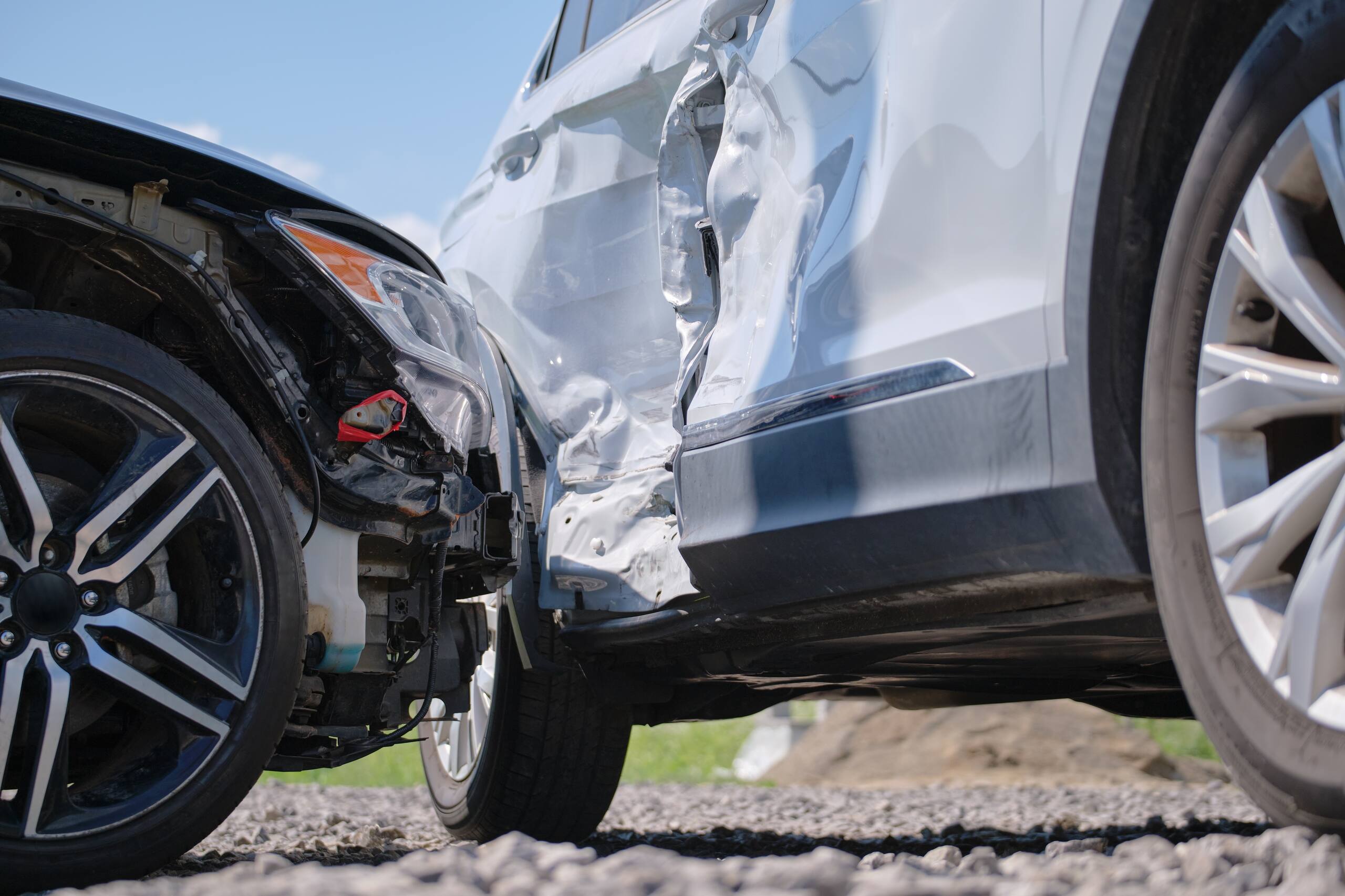
Side-impact collisions at Midvale intersections like those along State Street often cause serious injuries because there is far less protection on the side of a vehicle than in the front or rear. If another driver ran a red light, failed to yield, or misjudged a turn and struck the side of your car, the force of that impact may have transferred directly into your body.
These crashes happen in seconds. You may have been proceeding through a green light on State Street, turning onto 7200 South, or navigating traffic near Fort Union Boulevard when another vehicle suddenly entered the intersection. Now you may be dealing with pain, medical appointments, lost income, and uncertainty about what comes next.
Understanding the most common injuries in side-impact crashes—and your legal rights under Utah law—can help you make decisions about how to proceed with clarity.
Key Takeaways About Side-Impact Injuries in Midvale
- Side-impact (T-bone) collisions frequently occur at intersections in Midvale, particularly along high-traffic corridors like State Street and Fort Union Boulevard.
- Because vehicle sides have less structural protection, occupants often suffer head, neck, rib, hip, and spinal injuries.
- If fault is divided, Utah follows a modified comparative negligence rule with a 50% bar.
- Utah drivers must carry Personal Injury Protection (PIP) coverage that pays initial medical expenses.
- Serious side-impact injuries often exceed PIP limits and require a liability claim against the at-fault driver.
- You generally have four years to file a personal injury lawsuit in Utah.
Why Side-Impact Collisions Are So Dangerous
Modern vehicles are designed with crumple zones in the front and rear to absorb energy during a collision. The sides of vehicles, however, have far less space to dissipate force before it reaches the occupants. In a side-impact crash:
- There is limited distance between the door panel and your body.
- Your head may strike the window or side pillar.
- Your torso absorbs force directly from the impacting vehicle.
At busy Midvale intersections—such as State Street and 7200 South or near I-215 exits—drivers frequently make left turns across traffic or attempt to “beat” yellow lights. When timing is misjudged, the result is often a T-bone collision.
According to data from the National Highway Traffic Safety Administration, side-impact crashes account for a significant percentage of serious injury and fatal accidents nationwide. These collisions present a different type of accident due to the initial impact coming from the side with minimal protection for the vehicle occupants.
Head and Traumatic Brain Injuries
One of the most common injuries in side-impact collisions is a traumatic brain injury (TBI). During a side-impact crash, your head may:
- Strike the window
- Hit the side airbag
- Contact the door frame
- Whip violently from side to side
You may lose consciousness, but even if you don’t, you may experience:
- Headaches
- Dizziness
- Confusion
- Memory issues
- Sensitivity to light or noise
Concussions are sometimes dismissed as “mild,” but symptoms can linger for weeks or months. In more serious cases, TBIs can lead to long-term cognitive and emotional challenges.
If you notice changes in mood, concentration, or sleep patterns after a side-impact crash in Midvale, medical evaluation and treatment is critical.
Neck and Whiplash Injuries
Whiplash is commonly associated with rear-end collisions, but it also frequently occurs in side-impact crashes. When your vehicle is struck from the side, your neck may:
- Snap laterally
- Twist abruptly
- Experience rotational force
This can result in:
- Cervical sprains and strains
- Herniated discs
- Nerve compression
Symptoms may include stiffness, reduced range of motion, tingling in the arms, or chronic pain.
These injuries often require physical therapy and sometimes advanced imaging to diagnose fully.
Rib and Chest Injuries
Because side-impact force often enters at torso level, rib fractures and chest injuries are common. After a T-bone collisions, you may experience:
- Broken ribs
- Bruised or punctured lungs
- Internal bleeding
- Sternum injuries
Rib fractures can be extremely painful and make breathing difficult. In severe crashes, lung injuries may require hospitalization.
Shoulder and Arm Injuries
If your hands were on the steering wheel at the moment of impact, the sudden sideways motion may injure your shoulder or arm. Common arm injuries include:
- Rotator cuff tears
- Dislocated shoulders
- Fractured clavicles
- Elbow trauma
These injuries can limit mobility and affect your ability to work, especially if your job involves lifting or repetitive motion.
Hip and Pelvic Injuries
The driver’s or passenger’s hip is often directly aligned with the door panel. When another vehicle strikes your car at that point, your pelvis can absorb significant force. Pelvic injuries may include:
- Fractures
- Labral tears
- Nerve damage
These injuries can impact your mobility and require surgery and lengthy rehabilitation which also brings high medical bills.
Spinal Injuries
For all the reasons stated, side-impact crashes can also cause severe damage to your spinal cord, vertebrae, and other areas of your back from:
- Herniated discs
- Vertebral fractures
- Spinal cord injuries
Even less severe spinal injuries can lead to chronic pain and reduced mobility.
Prompt imaging, including MRI scans may be necessary to fully evaluate spinal trauma.
Emotional and Psychological Effects
Physical injuries are only part of the story. Many victims of intersection crashes later experience:
- Anxiety at traffic lights
- Fear of left-turn intersections
- Sleep disturbances
- Heightened stress while driving
These psychological effects are real and should be considered when evaluating pain and suffering damages in a civil personal injury claim.
Utah’s No-Fault Insurance System
Utah requires drivers to carry Personal Injury Protection (PIP) coverage with a minimum of $3,000 in medical benefits. If you are injued in a side-impact collision:
- Your PIP coverage pays for initial medical treatment.
- If your medical bills exceed $3,000 or your injuries meet statutory thresholds, you may pursue a liability claim against the at-fault driver.
Serious side-impact injuries frequently exceed PIP limits quickly. That’s when you should consult with a knowledgeable car accident lawyer to learn about your options, including filing a claim against the other driver’s insurance.
Proving Fault in Midvale Intersection Accidents
Side-impact crashes often involve disputes about who had the right of way. Common causes of T-bone accidents include:
- Running red lights
- Failing to yield while turning left
- Distracted driving
- Speeding through yellow lights
Important evidence that can prove who was at fault may include:
- Midvale Police Department crash reports
- Traffic camera footage
- Witness statements
- Vehicle damage patterns
- Skid mark analysis
At intersections like State Street and Fort Union Boulevard, traffic flow can be heavy, making clear documentation, eyewitness testimony, and video evidence extremely important.
What is Utah’s Comparative Negligence Rule?
Comparative negligence is a legal framework that determines how fault is divided between drivers after an accident and how that division of fault affects who owes compensation in a lawsuit. Utah applies what is known as a modified comparative negligence system with a 50% bar rule.
In many intersection crashes in Midvale, both drivers may tell very different versions of what happened. One driver may insist they had the green light. The other may argue that their turn was lawful. Comparative negligence allows a court or insurance adjuster to assign percentages of fault to each party based on the evidence.
Under Utah’s modified system, if you bear some responsibility for the accident:
- You can recover damages from the other party if you are less than 50% at fault.
- Your compensation is reduced by your percentage of fault.
- If you are 50% or more responsible, you cannot recover compensation.
In side-impact collisions at intersections like State Street and Fort Union Boulevard, comparative negligence often becomes a central issue. Insurance companies may argue that:
- You accelerated through a yellow light.
- You entered the intersection without fully clearing cross traffic.
- You were distracted and did not react quickly enough.
- You were speeding slightly, even if the other driver ran the red light.
Even small allegations of shared fault can significantly reduce the value of your claim. Because of this, intersection accident cases often turn on detailed evidence such as traffic camera footage, witness statements, vehicle damage patterns, and signal timing analysis.
Strong, well-documented evidence does more than support your version of events—it helps prevent insurers from unfairly inflating your share of fault. In side-impact cases especially, demonstrating right-of-way, signal phase timing, and driver behavior in the seconds before impact can make a meaningful difference in the outcome of your injury claim.
Even in low-speed Midvale parking lot accidents, the lack of structural side protection can cause serious injuries, making it critical to understand how the right-of-way hierarchy affects your liability claim on private property.
What Compensation Can I Request After a Crash in Midvale?
After a side-impact collision at a Midvale intersection, the financial consequences often extend far beyond the initial emergency room visit. You may be facing weeks or months of treatment, time away from work, and uncertainty about whether your body will fully recover. A personal injury claim is designed to address the full impact of the crash, not just the immediate expenses that show up in the first few days.
If another driver caused your side-impact crash, compensation may include:
Medical Expenses
Typical medical expenses cover ambulance transport, emergency care, hospital stays, imaging tests, surgeries, prescription medications, and physical therapy. But in many side-impact cases—particularly those involving spinal, pelvic, or shoulder injuries—treatment does not end quickly. Follow-up appointments, specialist care, injections, rehabilitation, and even additional procedures may be necessary months after the collision.
Future Medical Care
This category of costs is especially important in more serious injury cases. If your doctors anticipate additional surgery, ongoing therapy, or long-term pain management, those projected costs should be considered as part of your claim, not left for you to manage later on your own.
Lost Wages and Reduced Earning Capacity
Lost income or wages compensate you for income missed while recovering. If your injuries prevent you from returning to the same type of work, reduced earning capacity may also apply.
For example, if a hip or spinal injury limits your ability to stand, lift, or perform physical labor, your long-term earning potential may be affected. That future loss deserves careful evaluation.
Pain and Suffering
Pain and suffering addresses the physical discomfort and emotional toll of the crash. Chronic pain, sleep disruption, anxiety at intersections, PTSD, and reduced enjoyment of daily life are all real consequences of side-impact collisions.
Property Damage
Property damages include repair or replacement of your vehicle, rental car expenses, and damage to personal items inside the car at the time of the crash.
In severe injury cases, long-term treatment costs and vocational limitations must be carefully evaluated. Accepting a settlement before understanding your full medical prognosis and future employability can leave you financially vulnerable later. A thorough assessment of both current and future losses helps ensure that your recovery reflects the true impact of what happened, not just the bills that arrived in the first few weeks.
What is the Filing Deadline in Utah?
Utah’s statute of limitations generally providesfour years from the date of the accident to file a personal injury lawsuit. However, waiting even a few months to contact a skilled legal team can weaken your case as evidence fades and witness memories diminish.
FAQs About Side-Impact Accident Claims
How long can symptoms from a side-impact collision take to appear?
Not all injuries show immediate symptoms after a T-bone or side-impact crash. While fractures and severe trauma are often obvious right away, conditions such as concussions, soft tissue injuries, and spinal disc damage may take hours or even days to become noticeable.
Headaches, dizziness, neck stiffness, numbness, or increasing back pain should never be ignored. Receiving prompt medical evaluation not only protects your health but also creates documentation linking your injuries to the crash, which is an important factor in any injury claim.
What if the other driver was uninsured or underinsured?
If the driver who struck you at a Midvale intersection does not have insurance—or carries only minimum coverage that does not fully compensate your losses—your own uninsured or underinsured motorist coverage may apply. Utah requires insurers to offer this coverage, and it can provide an additional source of compensation when the at-fault driver’s policy falls short. These claims are made through your own insurance company, but they still require careful documentation and negotiation to ensure fair treatment.
Do side airbags prevent serious injury?
Side airbags reduce injury risk but do not eliminate it. Significant trauma can still occur depending on impact force.
The Team at Parker & McConkie Can Stand Up For Your Rights After a Side-Impact Collision in Midvale
A side-impact crash at a Midvale intersection can leave you dealing with pain, medical uncertainty, and financial stress. You should not have to navigate that alone.
Parker & McConkie Injury Lawyers represents injured individuals throughout Midvale and across Utah. We understand how intersection liability disputes, PIP coverage, and Utah’s comparative negligence laws affect side-impact cases.
Recovery takes time. Let us handle the legal process while you focus on healing. Let us stand up for your rights. Call 833-STANDUP to schedule a free consultation at our Midvale or nearby Utah office.