
Our Utah bicycle accident lawyers help injured cyclists prove what happened, deal with insurance companies, and pursue compensation when a driver, property owner, government entity, or another party caused a serious bicycle crash.
We know cyclists across Utah ride for many reasons. Some commute through Salt Lake City, Provo, or Ogden. Others train along canyon roads, ride through college towns, or use local trails and bike lanes to stay active.
We also know that when a driver fails to yield, turns across a cyclist’s path, opens a door into traffic, or drifts into a bike lane, the rider usually suffers the worst of the impact.
A bicycle crash is not just a smaller version of a car accident. Cyclists have little protection from pavement, vehicles, and roadside hazards. The injuries are often severe, and insurance companies may quickly look for ways to blame the rider to reduce the amount they pay.
At Parker & McConkie, our bicycle accident attorneys represent injured cyclists throughout Utah. We investigate bicycle-vehicle collisions, identify all available insurance coverage, negotiate with insurers and defense counsel, and file lawsuits when a fair settlement is not offered.
Importantly, if the at-fault driver refuses to take responsibility, we are prepared to present the case in court and ask a jury to hold the responsible parties accountable. Call us today at (801) 845-0440 to learn more about how we can help protect your rights after a serious bicycle crash.
Utah Cyclists Have Legal Rights on the Road
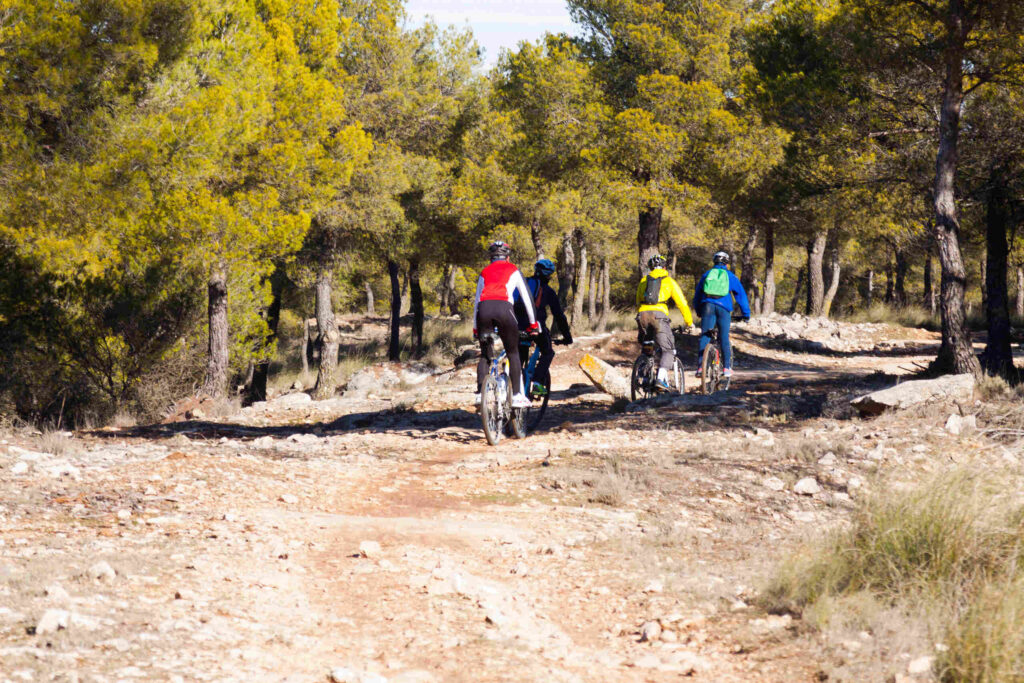
One of the most frustrating aspects of a bicycle accident claim is the assumption that the cyclist must have done something wrong. Some drivers treat cyclists as if they do not belong on the road. Some insurance adjusters use that same mindset to reduce the value of a claim.
Utah law does not support that attitude. In fact, bicyclists generally have the same rights and responsibilities as motor vehicle drivers when using Utah roads. Utah Code § 41-6a-1105 addresses bicycle operation on roadways, including how cyclists should ride as close as practicable to the right-hand side of the road, along with potential exceptions in cases where the rider must avoid hazards or prepare for a turn.
For example, a cyclist may be riding where allowed, but a driver may fail to check before turning, ignore a bike lane, misjudge distances, or pass too closely. These details can make the difference between a denied claim and a strong injury case.
Our team carefully examines the roadway, vehicle positioning, traffic controls, bike lane markings, witness statements, crash reports, and driver conduct. We do not let insurance companies reduce a cyclist’s claim based on lazy assumptions about bike riders.
Why Bicycle Injury Claims Require a Different Approach
Bicycle crashes often result in more serious injuries than ordinary car collisions, even when the motor vehicle was traveling at a relatively low speed. A cyclist may be thrown over the handlebars, pushed into traffic, crushed beneath a vehicle, or slammed onto pavement with enough force to cause a traumatic brain injury or multiple fractures.
Our legal preparation tends to differ as well. In a car accident, both sides often have vehicle damage, airbags, and event data. In a bicycle accident, the evidence may be more limited.
The driver may claim the cyclist appeared suddenly. The cyclist may have been taken from the scene by ambulance and could not speak to witnesses. The bicycle may be discarded before anyone inspects it. That is why we investigate these claims quickly.
At Parker & McConkie, we look for evidence that explains the crash from the cyclist’s perspective. That may include roadway layout, lighting, sightlines, nearby cameras, traffic signal timing, driver phone records, vehicle damage, helmet damage, bicycle damage, and the location of debris at the scene.
A strong bicycle accident case does not simply claim, “The driver was careless.” We take the time to explain how the driver’s conduct caused the crash and how the injuries changed the rider’s life.
What are the Most Common Bicycle Accident Scenarios in Utah?
Bicycle crashes happen across Utah in many ways. A bike commuter in downtown Salt Lake City faces different risks than a recreational rider in Provo Canyon or a student cycling near a university campus.
Some of the most common bicycle accident scenarios we handle include:
- Drivers turning across a cyclist’s path
- Motorists failing to yield at intersections or crosswalks
- Dooring accidents caused by parked drivers opening vehicle doors
- Distracted drivers drifting into bike lanes or road shoulders
- Unsafe passing on narrow roads or canyon routes
- Drivers failing to see cyclists at night or in low-light conditions
- Road hazards, debris, potholes, or unsafe construction zones
Rural and canyon roads create their own risks. Drivers may become impatient behind cyclists, pass too closely, or misjudge curves. In tourist-heavy areas, unfamiliar drivers may not anticipate cyclists on scenic routes.
Each setting requires a different investigation. Our Utah bike crash claims are tailored to our clients’ unique circumstances.
Do I Have a Utah Bicycle Accident Case?
You may have a bicycle accident case if another person or entity caused or contributed to your crash, for example, when a driver failed to yield, drove distracted, passed unsafely, ignored traffic laws, or struck you while turning. You may also have a claim if a defective bike part, unsafe roadway, construction hazard, or poorly maintained property contributed to the accident.
You do not need to know all the details before speaking with our injury attorneys. Many injured cyclists are unsure what happened because the crash occurred quickly, they lost consciousness, or emergency responders moved them from the scene.
What matters at the beginning is preserving evidence and identifying all possible sources of compensation before insurers shape the narrative for you. That’s when we can be your greatest ally.
What If the Driver Says They “Didn’t See You”?
Drivers often say they never saw the cyclist. That statement may sound like an excuse, but legally, it can support the argument that the driver failed to pay proper attention.
A driver has a responsibility to watch for lawful road users, including cyclists. Failing to see someone who was visible, predictable, and riding legally does not automatically protect the driver from liability.
Injuries Cyclists Commonly Suffer in Utah Bicycle Accidents
We understand how bicycle accident injuries can affect your body, work, independence, and confidence in ways that may not be obvious immediately after the crash. We look beyond emergency room bills to uncover the full extent of your losses.
Some riders suffer road rash and broken bones. Others sustain concussions, traumatic brain injuries, facial trauma, internal injuries, spinal injuries, or permanent nerve damage. Shoulder injuries, wrist fractures, knee injuries, and pelvic fractures are also common because cyclists absorb the crash impact directly with their bodies.
Brain injuries deserve special attention. Even when a cyclist wears a helmet, a serious collision can still cause cognitive symptoms, headaches, dizziness, memory problems, mood changes, and difficulty concentrating.
The physical recovery may only be one part of the case. Some riders develop anxiety about traffic, fear of returning to cycling, sleep disruption, or emotional distress after the crash. We include these effects when evaluating and preparing a claim.
If you've been injured while riding in Ogden, find out if you need legal representation by checking out this guide from Parker & McConkie.
Who May Be Held Liable for a Bicycle Crash in Utah?
The driver who hit the cyclist is often the first party investigated, but they are not always the only potential source of compensation. A Utah bicycle accident case may involve:
- A negligent driver
- A commercial vehicle company
- A rideshare or delivery driver
- A government entity responsible for unsafe road conditions
- A construction company that created a roadway hazard
- A bicycle, helmet, or component manufacturer
- A property owner whose unsafe premises contributed to the crash
For example, if a cyclist was hit by a delivery driver who was working at the time, the driver’s employer may also be liable. If a crash happened because a construction zone forced cyclists into traffic without proper warning, liability may extend beyond the at-fault motorist.
At Parker & McConkie, our personal injury attorneys evaluate the full picture rather than stopping with the most obvious defendant.
What Compensation May Be Available After a Utah Bicycle Accident?
The value of a bicycle injury claim depends on the severity of the injuries, the available insurance coverage, the strength of the evidence, and the long-term effect on the cyclist’s life. In general, compensation may cover medical expenses, future care, lost wages, reduced earning capacity, pain, emotional distress, scarring, disability, and loss of enjoyment of life.
Medical bills are often the first concern. Emergency transportation, hospital care, surgery, imaging, specialist visits, rehabilitation, medication, and future treatment can quickly become expensive.
A cyclist who suffers a serious injury may also lose income during recovery or face a reduced ability to work in the future. We include a request for lost income when our clients cannot work after a crash.
The personal impact can be just as significant. A serious bike crash may limit mobility, disrupt family responsibilities, interfere with hobbies, or make the rider fearful of returning to normal activities.
Before accepting a settlement, it is important to understand whether the offer accounts for future treatment and long-term needs. Insurance companies often try to resolve claims quickly, before the full medical picture is known and before a skilled lawyer is involved.
What If the Defendant Blames You?
Blame-shifting is common in bicycle accident cases. An insurer may argue that you were riding too far into the lane, failed to use lights, entered traffic suddenly, ignored a traffic signal, or should have avoided the crash somehow.
In these cases, Utah uses comparative negligence rules that can reduce or bar recovery depending on how fault is allocated. An injured cyclist may seek recovery when the defendants’ combined fault exceeds the rider’s fault. In practical terms, if the cyclist is found 50% or more at fault, recovery may be barred.
We don’t accept the insurance company’s fault assessment without scrutiny. The insurer’s version may ignore road conditions, driver distraction, traffic laws, camera footage, physical evidence, or witness accounts. Our attorneys challenge unfair blame shifting and work to show how the crash actually occurred and who was responsible.
We help everyday people stand up for What's Right.
How Long Do You Have to File a Bicycle Accident Lawsuit in Utah?
The Utah statute of limitations establishes a four-year filing deadline for certain civil personal injury lawsuits, including bicycle accident claims. However, some cases involve shorter deadlines. Claims involving government entities, unsafe public roads, public transit vehicles, or certain public employees may require earlier notice requirements and different procedures.
Waiting too long also creates practical problems. Video footage may be overwritten. Witnesses may forget details. Road conditions may change. The bicycle or car may be repaired or discarded. The sooner our attorneys can begin preserving evidence, the stronger your claim may become.
How Much Does It Cost to Hire a Utah Bicycle Accident Attorney?
At Parker & McConkie, bicycle accident cases are handled on a contingency fee basis. That means you pay no upfront attorney fees, retainers, or hourly legal bills. We receive legal fees only if we successfully recover compensation for you.
This arrangement allows all injured cyclists to work with our team without adding more financial pressure during medical recovery.
How Parker & McConkie Builds and Pursues Bicycle Accident Claims
Our bicycle accident cases do not stop at evidence gathering. Investigation is only the foundation. At Parker & McConkie, we use the evidence to build a strong claim and bargaining leverage.
First, our team investigates the crash, identifies responsible parties, reviews insurance coverage, and documents the full scope of injuries. Then we develop a claim that explains liability, medical harm, lost income, future expenses, and the personal impact of the crash.
From there, our attorneys negotiate with insurance companies and defense counsel. We present the evidence clearly and push back when the other side undervalues our client’s injuries or unfairly blames them.
If settlement negotiations do not produce a fair result, we can file a lawsuit. During litigation, our attorneys use formal legal tools such as discovery, depositions, subpoenas, expert testimony, and court motions to build your case. If a negotiated resolution is not possible, our trial lawyers can present the evidence in court and ask a jury to return a verdict that reflects the full extent of harm suffered.
That courtroom readiness matters. Insurance companies pay attention when they know a law firm is prepared to follow the case through. Let us advocate for you until we reach a fair resolution.
FAQs About Utah Bicycle Accident Cases
Can I recover compensation if I was not wearing a helmet?
Possibly. Not wearing a helmet does not automatically prevent you from bringing a bicycle accident claim in Utah. The insurance company may argue that not wearing a helmet increased the likelihood of some injuries, especially head injuries, but a driver who caused the collision may still be responsible for the crash itself.
What if I was hit while riding on the sidewalk or in a crosswalk?
Utah bicycle safety law includes rules for bicycles on sidewalks, paths, trails, and crosswalks, including duties to yield to pedestrians and travel at reasonable speeds. Your claim depends on the location, relevant local rules, traffic controls, and how the collision occurred.
Do bicycle accident claims involve car insurance?
Often, yes. If a motor vehicle hits a cyclist, the driver’s auto insurance may apply. Depending on the circumstances, other coverage may also be available, including uninsured or underinsured motorist coverage.
What if the driver left the scene?
A hit-and-run bicycle accident can still lead to a claim. Police reports, nearby cameras, witness statements, vehicle debris, and uninsured motorist coverage may provide important evidence. Do not assume you can’t recover simply because the driver left the scene.
Should I speak with the driver’s insurance adjuster?
Be careful. Insurance adjusters may sound polite, but their questions can be used to reduce or deny your claim. Before giving a recorded statement or accepting any offer, it is wise to talk to our team to understand the full extent of your injuries and your legal options.
Talk With the Utah Bicycle Accident Lawyers at Parker & McConkie

A bicycle accident can leave you dealing with injuries, medical bills, missed work, damaged equipment, and an insurance company that may not fully acknowledge what the crash has cost you.
At Parker & McConkie, our attorneys know that cyclists are often blamed before the facts are fully examined. We investigate carefully, build the claim strategically, negotiate from a position of strength, and take legal action when an insurer refuses to treat our client fairly.
If you were injured while riding a bicycle in Utah, speak with our team to understand your options and start protecting your future. Call us at (801) 845-0440 to learn more today.